
Table of Contents
Key Takeaways
Up to one-third of people with diabetes experience foot ulcers at some point, leading to an increased risk of amputations.
A quick 5-minute routine that includes inspecting, washing, and moisturizing the feet can be one of the best habits for preventing diabetic foot ulcers.
Look for urea-based creams, non-binding socks with no seams, and well-fitted shoes to help prevent foot ulcers.
Medicare may cover foot care products for diabetes, such as a pair of therapeutic shoes and inserts, if you meet the criteria.
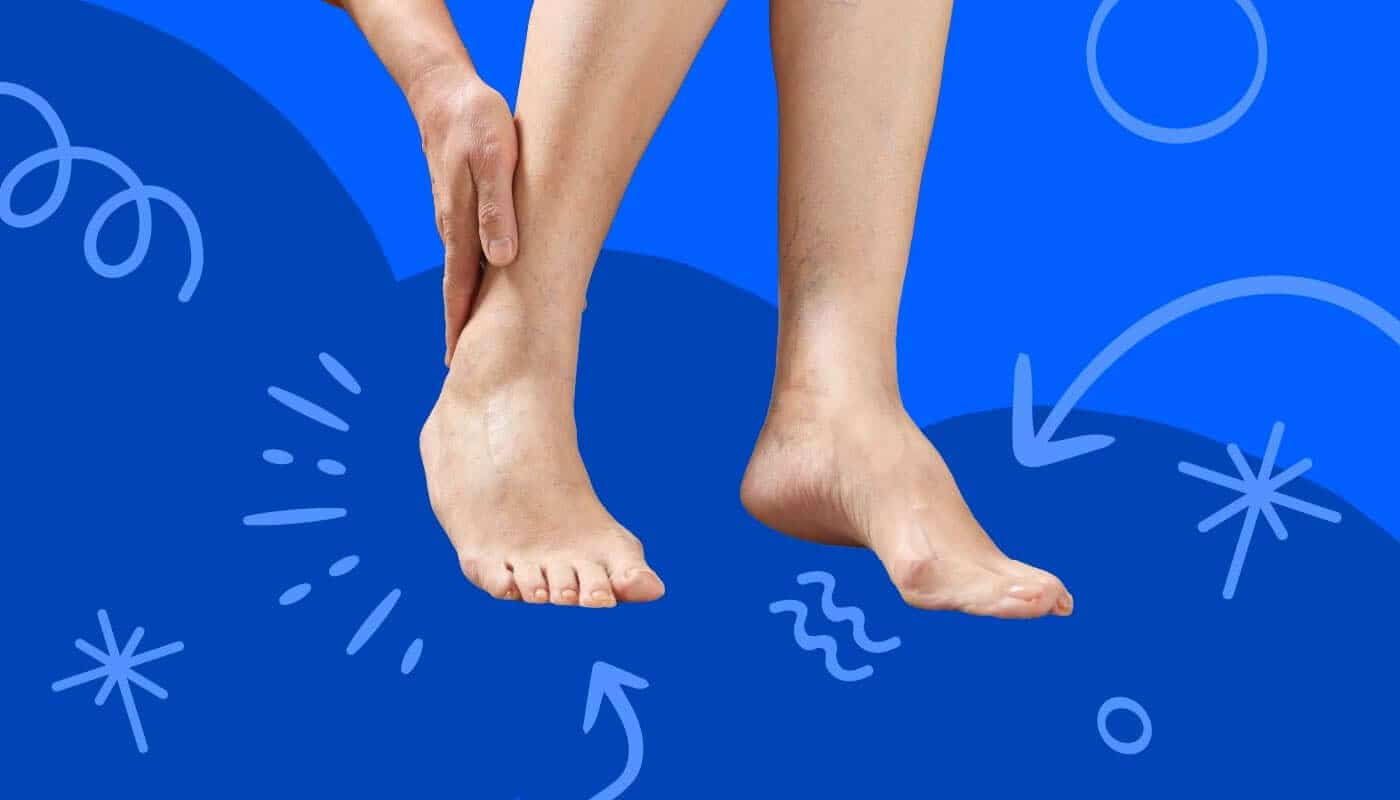
Living with diabetes comes with various health risks, some of which can often be overlooked. Not only can diabetes increase the risk of kidney disease, heart disease, and eye damage, but it can also lead to foot ulcers. Almost half of all people with diabetes experience peripheral neuropathy, or nerve damage, with the feet being the first to lose some sensation. Over time, a small cut or wound on the foot may turn into something more serious that you don't notice until it’s infected.
Fortunately, most of this is preventable, and you don’t need a closet full of tools and devices to manage the risk. Just a few curated foot care products for diabetes and the right routine are really all you need.
Why Diabetic Foot Care is Important
The numbers show the reality of diabetic foot ulcers. The lifetime risk of a foot ulcer from diabetes is around 19% to 34%, and these ulcers are responsible for almost 80% of all lower-leg amputations. Left untreated, diabetic foot ulcers could even lead to death in severe cases.
Diabetic foot care is not an option for those wanting to manage overall health risks from diabetes. What’s encouraging is that many diabetic foot ulcers are preventable with the right self-care habits and foot care products for diabetes.
The 5-Minute Daily Foot Care Routine
Before the products, let’s run through the routine. The ADA, CDC, and Cleveland Clinic all agree on the points for this checklist:
Look at your feet every day, including the tops, bottoms, heels, and toes. If you can't see the bottoms, use a long-handled mirror or your phone's camera.
Wash with warm (not hot) water and mild soap. Test the water temperature with your elbow or wrist if you’ve lost some sensation in your feet.
Thoroughly dry the feet, especially between the toes, since trapped moisture can promote a fungal infection.
Moisturize the tops and bottoms of your feet, but skip between the toes.
Check your shoes before putting them on. Small stones, folded liners, and even lost coins can all cause small wounds that can lead to an ulcer.
This is a general outline of the best tips you can try to take care of your feet. However, having the right products is just as important.
Foot Care Products for Diabetes That Actually Help
1. Urea-Based Foot Creams
For people with diabetes, the skin can easily get dry. Chronic dryness in the feet can lead to cracks, which can welcome in bacteria. Although plain lotions can be helpful, creams with urea have the strongest evidence.
A 32-week randomized trial in adults with type 2 diabetes and severe foot dryness found that a urea-based cream significantly helped moisturize the feet more than a glycerin emollient, with xerosis scores reduced by 91%.
What to look for on the label:
10% to 25% urea. Start at 10% and step up if your skin tolerates it.
Lactic acid (4% to 10%), as this second active ingredient may help with calluses on the heels.
Skip alcohol, menthol, and heavy fragrance. They dry skin out and don’t add any value.
You can browse diabetic foot creams at TDS, including options made for diabetic skin like EASE-Z Dry Skin Therapy.
EASE-Z Diabetics Dry Skin Therapy Lotion
$ 18.03
$ 21.88
EASE-Z Diabetics’ Dry Skin Therapy is an over-the-counter dry skin lotion containing active ingredient ZINC Acetate. Helps relieve dry, itchy skin, adds a protective barrier and promotes the healing of minor sores and wounds. Can be used daily to restore moisture,… read more

2. Non-Binding Diabetic Socks
Most regular socks have a cuff that’s elastic and can grip your calf. For people with diabetes and peripheral artery disease (PAD) or nerve pain (neuropathy), this elastic band can restrict blood flow to the feet.
Consider looking for socks with four specific features:
Non-binding cuff: a wide-mouth top that doesn't leave any marks.
Seamless toe box: gets rid of any potential friction that can lead to ulcers.
Moisture-wicking yarn: materials like bamboo and acrylic blends can help keep the foot dry.
Padded sole: helps cushion areas under the foot that experience increased pressure.
Socks with mild compression (8–15 mmHg) are fine for most people. However, you’ll want to discuss more potent options with a healthcare provider, especially if you have PAD. TDS's diabetic socks collection offers non-binding crew socks and lower-grade compression options.
Medicool Inc European Diabetic Comfort Socks - Black
$ 11.63
$ 14.11
The Medicool European black diabetic comfort sock is a premium sock designed specifically for those with diabetes. They are cotton socks without elastic and elastomere. These European black diabetic comfort socks are guaranteed not to slip, sag or bind so… read more

3. Therapeutic and Depth Shoes
The right shoe to prevent diabetic foot ulcers will provide enough comfort and room to reduce any rubbing against the skin. Shoes for people with diabetes generally have more room in the toe box and space for custom orthotics.
Under CMS Local Coverage Determination L33369, Medicare may cover one pair of depth or custom-molded shoes plus inserts every calendar year if you have diabetes. You must also have at least one qualifying foot condition, such as a past amputation, ulcer, peripheral neuropathy with calluses, or poor circulation. Your healthcare provider can help track whether you qualify, and a podiatrist, NP, PA, or other qualified prescriber can write the order.
4. Nail Clippers and Files Made for Diabetic Feet
Many diabetic foot ulcers can start as an ingrown nail. That’s why it’s important to keep up with consistent trimming. Always make sure to cut straight across the nail; do not cut into the corners. Look for:
Straight-edge nail nippers with stainless steel blades.
A fine emery board or glass file, not a metal one, since it can damage the nail.
If your nails are thick, you have impaired vision, or your toes are hard to reach, you can have a podiatrist do it once every 6 to 8 weeks. Medicare often covers routine foot care visits when there’s a documented medical case.
5. Inspection Tools
It can be hard to check your feet on your own, especially on top of taking medication or testing blood sugar. However, there are some practical tools you can use that may include:
A long-handled foot mirror (or your phone with the flash on) so you can check the bottoms of both feet.
A 10-gram Semmes-Weinstein monofilament, which is a small nylon filament. Touching the five plantar sites with it can help screen for a loss of sensation in the feet. If you can't feel the filament at any of the test sites, your risk of ulcers may be higher.
When To Call A Podiatrist
The five-minute check you can do at home is the bare minimum you should seek to do every day. If you notice any of the following, seek professional care.
An open sore, blister, or crack
A red, warm, swollen area that wasn't there yesterday
A wound that drains or smells
A nail that's loose, bleeding, or growing into the skin
A loss of feeling, new burning, or sharp pain
A toe that suddenly changes shape
If you're not sure where to start, you can discuss potential foot care products for diabetes with your healthcare provider.
The Bottom Line
Foot care products for diabetes are highly recommended to help monitor for foot ulcers, especially if you’re at high risk. A urea-based cream, a few pairs of non-binding seamless socks, properly fitted shoes, a straight-edge toenail clipper, and a mirror with a long handle can make up the foundation for preventing diabetic foot ulcers. In addition to monitoring your feet at home, you’ll want to stay on track with annual podiatry visits and other doctors’ visits to manage overall health risks.
Start with what your feet need today. Browse diabetic foot care products at Total Diabetes Supply, and build the rest into a 5-minute morning habit.
Sources
Diabetic Foot Ulceration and Complications, StatPearls (2026)
Retinopathy, Neuropathy, and Foot Care: Standards of Care in Diabetes—2026, Diabetes Care (2026)
Etiology, Epidemiology, and Disparities in the Burden of Diabetic Foot Ulcers, Diabetes Care (2023)
Diabetes and Your Feet, Centers for Disease Control and Prevention (2024)
Diabetes-Related Foot Conditions: Symptoms & Treatment, Cleveland Clinic (2024)
Use of a Urea, Arginine, and Carnosine Cream Versus a Standard Emollient Glycerol Cream for Treatment of Severe Xerosis of the Feet in Patients With Type 2 Diabetes: A Randomized, 8-Month, Assessor-Blinded, Controlled Trial, Journal of Current Medical Research and Opinion (2015)
LCD L33369 — Therapeutic Shoes for Persons with Diabetes. Centers for Medicare & Medicaid Services
Diabetic Foot Ulcer, StatPearls (2023)
FAQs
What's the best lotion for diabetic feet?
The best lotion for diabetic feet is a urea-based cream. You can apply it to the bottom of the feet in the morning and at night. Just make sure to avoid the areas between the toes, since trapped moisture can increase the risk of fungal infections.
Do I really need diabetic-specific socks?
Socks made for people with diabetes can be helpful if you have neuropathy, PAD, or any other foot problems related to diabetes. Socks without binding cuffs and seams can help reduce the risk of minor skin irritation or wounds.
Does Medicare pay for diabetic shoes?
Yes, Medicare Part B does cover a pair of diabetic shoes plus inserts each calendar year. However, you’ll need to meet certain criteria, such as having a diagnosis for diabetes, a treatment plan, and a qualifying foot condition, such as prior ulcers, amputations, or foot deformities.
How often should I see a podiatrist?
It’s recommended to see a podiatrist at least once per year if you have diabetes. You may need more regular visits if you have a history of foot problems from diabetes. You should also book a visit immediately if you notice any new wounds, blisters, or changes in the shape of the foot.