
Table of Contents
Key Takeaways
An A1C test measures your average blood sugar over the past three months to help diagnose and monitor diabetes.
A1C targets vary by individual, so always consult your doctor to set the right goal for you.
You can lower your A1C through consistent medical care and lifestyle changes, like diet and exercise.
Measuring your A1C (also known as HbA1c) is a simple yet important part of your diabetes care. It’s used to diagnose diabetes and helps you and your doctor understand if your blood sugar is under control. But what does it measure, and how often should you check it?
Keep reading to find out what your numbers mean and the next steps you should take in controlling your blood sugar.
Understanding A1C Tests
An A1C test is a blood test that measures your average blood sugar over the past three months. It’s used to help diagnose prediabetes and type 2 diabetes. It’s also used to monitor diabetes over time to determine whether treatment is working.
Blood sugar attaches to hemoglobin, a part of your red blood cells carrying oxygen. An A1C test measures how much blood sugar is attached to red blood cells. A high percentage result indicates you have more blood sugar, while a lower percentage indicates you have less.
This test uses a small blood sample and doesn’t require fasting, so you can perform it at any time of day. Your doctor can perform an A1C test in the clinic, or you can purchase an at-home A1C kit. Professional tests are more accurate and are best for diagnosing diabetes, but at-home kits are quick and convenient for those already managing their blood sugar. (1)
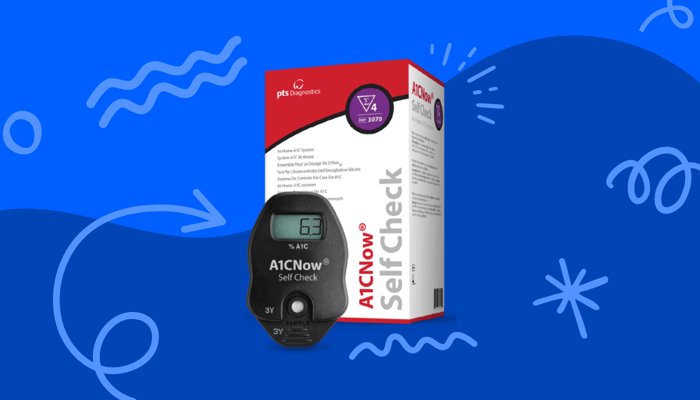
For example, the TRUEplus A1CNow Self Check kit is sold at our Total Diabetes Supply store. It only requires a 5.0 microliter blood sample (a pinprick) and delivers results in five minutes.
A1CNow® Self Check - 4 Count Test Kit

$ 55.00
$ 109.19
A1C is a window into your overall blood glucose control, spanning the past two to three months. The A1CNow® Self Check system provides a quick and easy way to get accurate HbA1C results at home that you can use to… read more
What Results Mean
Below are the A1C percentage ranges and what they could mean.
Normal: Below 5.7%
Prediabetes: 5.7% to 6.4%
Diabetes: 6.5% or above
If you receive a result within the diabetes range, your doctor will likely order another test to confirm the diagnosis.
Sometimes, results may be higher or lower than normal. Certain medications and other health conditions can influence your result, so talk to your doctor if you notice unusual numbers.
Lab-processed A1C test results may also give an estimated average glucose level (eAG). An eAG gives you an estimated daily blood sugar level based on your A1C. It won’t be the same as your daily blood sugar readings because it’s an estimated average over time. (1)
Is Normal the Goal?
A normal result is ideal, but your A1C targets depend on your medical history. For some people, setting a too-low A1C goal may result in hypoglycemia. Doctors may keep your goal within diabetic ranges for those who struggle to control blood sugar due to health complications, like kidney disease or heart problems.
Always consult your doctor when setting A1C goals. If you’re managing blood sugar with at-home A1C test kits, ask your doctor which target ranges to aim for, and ask for any updated ranges at follow-up appointments.
A1C vs Glucose Management Indicator (GMI)
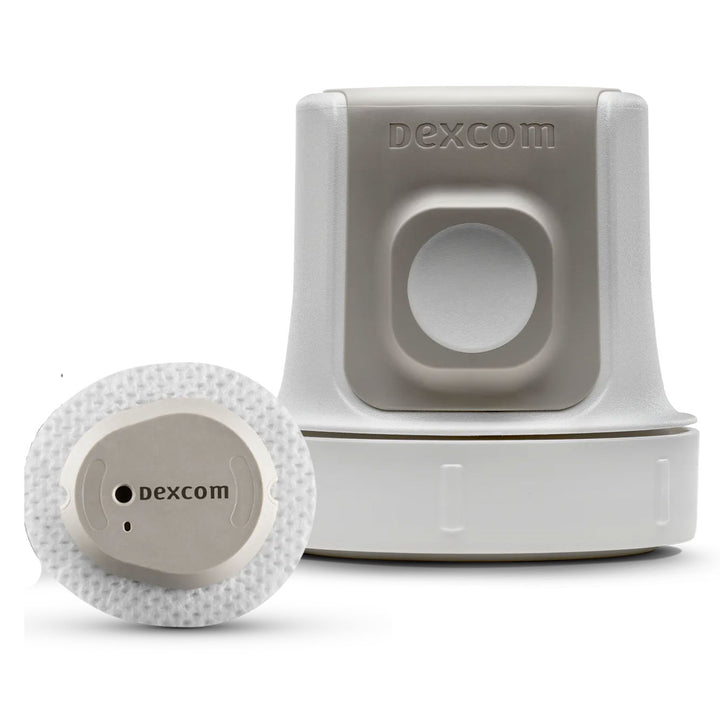
Continuous glucose monitors (CGMs) are modern, wearable devices that track and manage blood sugar levels. They can provide a similar average glucose reading over one month, which they call a glucose management indicator (GMI). Popular CGMs include the Dexcom G7 and the Freestyle Libre 3 Plus, both available at Total Diabetes Supply. (2)
Dexcom G7 CGM System
$ 166.85
$ 205.99
The Dexcom G7 Continuous Glucose Monitoring System (CGM) is a comprehensive system that has changed the way individuals living with diabetes have monitored and maintained their blood glucose levels. Dexcom G7 is for patients two years and older with any type… read more
While informative and convenient, one study found that GMI values are lower (0.34%) than A1C results from your doctor. Keep this in mind when comparing your A1C to CGM sensor readings.
Other Blood Sugar Tests
Healthcare professionals often use other blood sugar tests to confirm or rule out prediabetes or type 2 diabetes. Three common options include: (3)
Fasting plasma glucose (FPG) test: This requires an eight-hour fast and checks blood sugar levels after you haven’t eaten for a while.
Oral glucose tolerance test (OGTT): This test also requires an eight-hour fast and compares blood sugar levels before and after drinking a sweet drink provided by your doctor.
Random (casual) plasma glucose test: This test is for people with severe diabetes symptoms and measures blood sugar at any time of day.
If one test is positive while the other is negative, your doctor may ask you to retake it. This could happen during the early stages of developing diabetes when blood sugar isn’t high enough to show up consistently. (1)
How Often Should I Check My A1C?
Since an A1C test measures an average blood sugar level over three months, your healthcare provider may not perform it often. Most experts recommend an A1C test at least twice per year, but your doctor may recommend more frequent tests to check your progress, depending on your treatment plan. (1)
How to Lower Your A1C Level
Lowering your A1C level means controlling your daily blood glucose consistently over time. You should work closely with your doctor to safely lower your A1C level. Your doctor may advise you to:
Lose weight
Take medication
If you’re not sure where to start, or if you’re having trouble making lifestyle changes on your own, ask your doctor for guidance. They may refer you to collaborating professionals, like a dietitian, who can teach you ways to improve your health while managing diabetes. (4)
Bottom Line
An A1C test measures blood sugar levels over the last three months. Results above 6.5% may indicate diabetes, though other health conditions can affect A1C levels. A lower A1C level is ideal, but it may not be the best goal for your overall health. Talking to your doctor about healthy ways to control your blood sugar while staying within your target ranges will help you avoid complications, like hypoglycemia.
References
National Institute of Diabetes and Digestive and Kidney Diseases. (n.d.). The A1C test & diabetes. U.S. Department of Health and Human Services. https://www.niddk.nih.gov/health-information/diagnostic-tests/a1c-test
Manov, A. E., Holt, N., Dini, E., Rivera, R., Donepudi, A., Haddadin, R., Mefferd, K., & Qadir, I. (2024). The Discrepancy Between Hemoglobin A1c and Glucose Management Indicators in 26 Patients Treated With Continuous Glucose Monitoring in an Internal Medicine Residency Clinic. Cureus, 16(3), e56768. https://doi.org/10.7759/cureus.56768
American Diabetes Association. (n.d.) Diabetes Diagnosis. https://diabetes.org/about-diabetes/diagnosis
Mayo Clinic. (n.d.) Type 2 diabetes. https://www.mayoclinic.org/diseases-conditions/type-2-diabetes/diagnosis-treatment/drc-20351199
Radin, M. S. (2013). Pitfalls in Hemoglobin A1c Measurement: When Results May Be Misleading. Journal of General Internal Medicine, 29(2), 388. https://doi.org/10.1007/s11606-013-2595-x
Darraj, A. (2023). The Link Between Sleeping and Type 2 Diabetes: A Systematic Review. Cureus, 15(11), e48228. https://doi.org/10.7759/cureus.48228
FAQs
What happens when A1C is too high?
An A1C between 5.7% and 6.4% may indicate prediabetes, which is reversible with the right lifestyle choices and expert care.
An A1C higher than 6.5% may indicate diabetes, which usually requires more involved care to prevent complications. If you have an A1C level that is too high, your doctor will suggest tailored ways to manage it, which may include lifestyle changes or medication.
What can falsely elevate my A1C levels?
Certain health conditions, like iron deficiency anemia, can cause falsely elevated A1C levels. Some medications and other substances can also cause this, including long-term alcohol use and taking opioid medication. (5)
Does sleep affect my A1C?
People with type 2 diabetes are more likely to develop sleep-disturbing conditions, like polyuria (frequent urination) and diabetic neuropathy. Sleep is key to regulating hormones associated with blood sugar. Poor sleep can influence insulin resistance and raise blood sugar levels.