
Table of Contents
We’ve come a long way from urine glucose testing over the last 50 years. Today, we have more convenient, comfortable, and discreet ways to manage diabetes using tiny blood samples and innovative tech.
We’re here to teach you about the latest advancements in new blood glucose meters. We’ll cover how far we’ve come, what new features you’ll find while browsing, and which modern devices are on the market.
A Quick History of Blood Glucose Meters
Before self-monitoring blood glucose meters were invented in the 1980s, urine sugar tests at a local clinic were the standard. This meant frequent testing was inconvenient, and regular monitoring was near impossible.
Glucose meters were—and still are—revolutionary tools that help people with diabetes manage their blood sugar levels at home or on the go. As the years have passed, they’ve become more advanced and discreet, allowing people to take quicker and more frequent samples with less blood or pain. And in the early 2000s, Bayer introduced at-home A1C testing, allowing people to track their average blood sugar levels over the past few months. This helped clinicians diagnose diabetes and monitor treatment.
A1CNow® Self Check - 4 Count Test Kit

$ 55.00
$ 109.19
A1C is a window into your overall blood glucose control, spanning the past two to three months. The A1CNow® Self Check system provides a quick and easy way to get accurate HbA1C results at home that you can use to… read more
Now, there are two main types of home diabetes tests for daily monitoring: traditional blood glucose meters and continuous glucose monitors (CGMs).
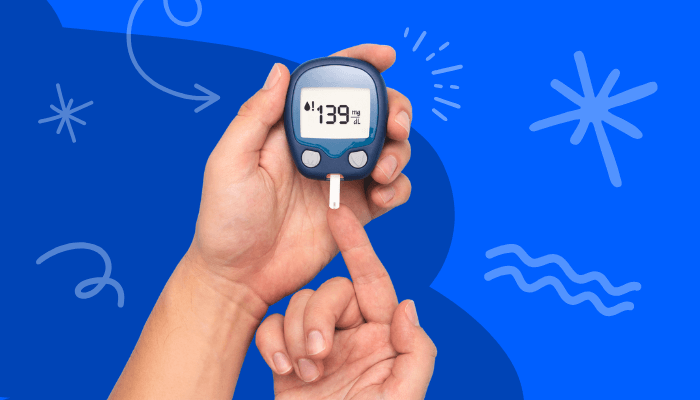
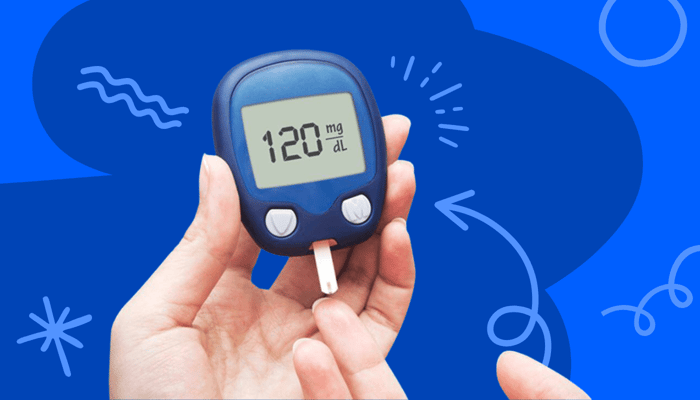
Blood glucose meters: These devices are about the size of a credit card. Once you prick your finger, you place the droplet of blood on the end of the meter’s glucose stick, which detects the amount of blood sugar in the sample. Then, the results are displayed on the meter’s LED screen.
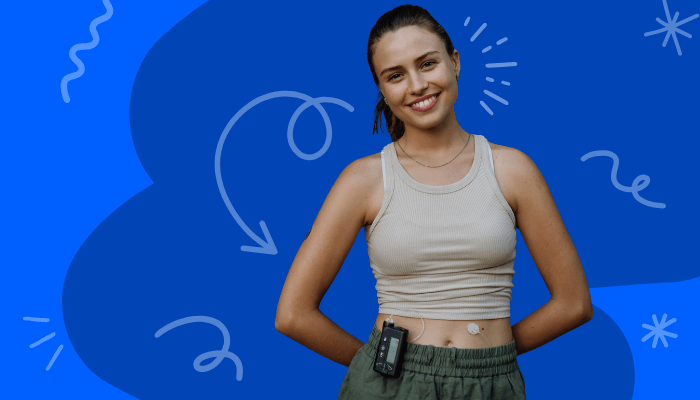
CGMs: These wearable sensors track blood glucose levels throughout the day and night without blood draws. It sends results to a compatible display or an app on your smartphone, allowing you to track your blood glucose levels at all times. Many CGMs integrate with insulin pumps to automatically deliver the right amount of medication when needed.
CGMs are gaining popularity over traditional meters due to their technical advancements and convenience, but they don’t always replace blood glucose meters. Brands and manufacturers continue to upgrade these devices to help people easily manage their diabetes without disrupting everyday life. However, the right device depends on your situation and your doctor’s recommendation.
For now, let’s explore some tech advancements and features in modern glucose meters to give you an idea of what’s on the market.
New Blood Glucose Meters: Modern Tech and Features
People with diabetes are diverse. Some are children who need guidance from a parent, and others have advanced symptoms affecting their ability to feel or see. Brands are now designing devices to be more user-friendly and inclusive.
Below are some modern features you’ll find in new glucose meters. Seeing how far we’ve come since the 1980s, we think these are pretty impressive.
Blood Glucose Meters
No coding: Handheld glucose meters need test strips to sample blood. Older meters need you to manually enter a code to calibrate a new box of strips to your device for accurate results. But modern meters will recognize the strip when inserted and set themselves up without your help. This means fewer steps and reading errors.
Smaller samples: In the 1980s, records show that meters required a “hanging drop of blood” at the end of the testing strip. Now, you just need to draw as little as 0.3 microliters, or a tiny pinprick. Smaller samples make tests quicker, less painful, and more discreet in public settings.
Fill triggers: Glucose meters read blood sugar levels in a sample through a chemical reaction on the testing strip. Older meters and strips start the reaction quickly, but newer devices have fill triggers that make sure there is enough sample to take an accurate reading. The chemical reaction won’t begin until there’s enough blood, allowing you to add more within a small time window if needed. Fill triggers prevent inaccurate readings and wasted strips.
Advanced detection: Monitoring other health markers, like ketone levels, is important in people who have uncontrolled high blood sugar and are at higher risk for diabetic ketoacidosis (a dangerous condition when glucose and insulin are severely imbalanced). Previously, you would have needed separate tests to measure ketones and blood sugar. But today, you can find devices that perform both tests using only one sample, which means fewer pricks.
Verbal results: Older glucose monitors only displayed results on an LED screen, and most still do. This is problematic for those with low vision. But some brands have developed “talking glucometers” that give verbal results, which is a more inclusive design.
CGMs
Extended wear: Most CGMs have sensors that last up to two weeks before they need to be replaced. However, advanced implantable options can last from months to up to one year, depending on the model. Longer wear time means fewer changes and more accurate results, especially for children and busy families.
Smartphone connectivity: CGMs need to send results to a display. Usually, brands would include an LED display with the monitor’s kit. But advanced models can now connect to your smartphone via an app, which shows real-time readings and tracks results over time. This makes tracking simple and can help identify trends easily. (Some blood glucose meters are starting to do this, too.)
Advanced logging: Through smartphone connectivity, many CGMs connect to health trackers. Instead of comparing glucose readings with activity, medication, and food logs on other apps (or physical logbooks), you can see it all in one place. Advanced logging helps identify patterns in your life that could impact your glucose management.
TRUE Self-Test Log Book

$ 3.70
$ 4.49
The TRUE Blood Glucose Self-test Log Book allows you to conveniently keep track of your daily blood glucose test results. The TRUE Self-Test log book is small, portable and includes sections to keep notes on your daily medication intake. It… read more
Data sharing: Some people need help monitoring their glucose. Children, teens, and older adults with caregivers may need another set of eyes on their glucose levels to make sure they’re well-managed. Before CGMs had companion apps, remote monitoring was impossible. But now, many apps allow you to share real-time data with multiple people and can alert them to your glucose trends. Data sharing is a safe—and even lifesaving—diabetes management strategy for some people.
Pump integration: CGMs can integrate with compatible insulin pumps to deliver medication. Without the integration, you would have to calculate the amount of insulin to inject. But with automated integration, it sends the right amount of insulin just as a pancreas normally would. This means fewer medication errors, fewer needles, and more convenient dosing.
Compare New Blood Glucose Meters
Wondering what’s on the market? Here are some of the most popular devices and their key features.
Blood Glucose Meters
TRUE METRIX AIR Bluetooth Blood Glucose Meter: The TRUE METRIX AIR connects to its companion app, TRUE Management App, to track blood sugar readings and life events like exercise, sickness, meals, and medications. It takes 0.5 microliter samples, and its audible fill trigger lets you know that your sample was enough for an accurate result. This meter also stores up to 1,000 results with a timestamp and calculates your one-week, two-week, one-month, two-month, and three-month averages.
TRUE METRIX AIR BlueTooth Blood Glucose Meter

$ 38.18
$ 46.34
TRUE METRIX AIR BlueTooth Blood Glucose Meter No more logbooks, store all of your data on your mobile device! TRUE METRIX AIR glucometer is a technology with reach. With integrated wireless capability, this Bluetooth-enabled glucose meter seamlessly delivers results to… read more
Accu Check Guide Me Blood Glucose Meter: The Accu Chek system syncs to its companion app, mySugr, to automatically log results to your phone. Its large display has larger numbers, making it easier to read than smaller devices. And its compatible strips are spill-resistant, so you can place your blood sample anywhere along the edge, and it will capture it.
Accu-Chek Guide Me Blood Glucose Meter

$ 22.64
$ 27.48
With a spill-resistant SmartPack® vial, a strip that lets you place a small drop of blood anywhere along the end, and the free mySugr app that automatically logs results to your phone, this Accu-Chek Guide Me blood glucose monitoring system… read more
Bayer Contour Next EZ Meter: The Bayer Contour allows you to set a personalized high and low target range. It stores your results for a week, two-week, or one-month average to help you track your glucose trends. It also uses a small 0.6 microliter sample, but if you didn’t draw enough blood, it gives you a second chance to add more without wasting your strip.
Bayer Contour Next EZ Glucose Meter Kit

$ 32.88
$ 39.90
The Bayer Contour Next diabetes testing kit technology evaluates a single sample 7 times for exceptionally accurate results. Bayer Contour Next EZ Meter Features: For self-testing, monitoring and management of blood glucose Proven accuracy Bayer glucose monitor is ready to… read more
Prodigy Voice Glucose Meter: The Prodigy Voice is a talking glucometer that provides spoken test results for those with low vision, including one-week, two-week, three-week, one-month, two-month, or three-month averages.
Prodigy VOICE Glucose Meter Kit

$ 46.98
$ 57.01
Having trouble reading your glucose meter's screen? It's so hard to get quality products that work well for those who need them most. That's why the Prodigy Voice blood glucose meter was developed. It will give you a clear reading… read more
Continuous Glucose Monitors
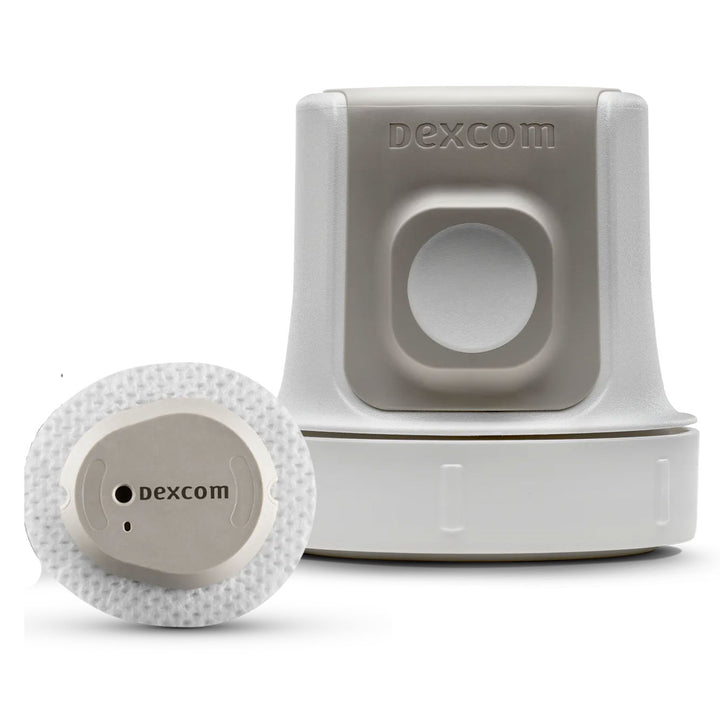
Dexcom G7: The Dexcom G7 system has the smallest sensor on the market, lasting about 10 days before replacement. It allows you to customize alerts and syncs to its companion app on your smartphone for photo, activity, and AI-powered food logging.
Dexcom G7 CGM System
$ 166.85
$ 205.99
The Dexcom G7 Continuous Glucose Monitoring System (CGM) is a comprehensive system that has changed the way individuals living with diabetes have monitored and maintained their blood glucose levels. Dexcom G7 is for patients two years and older with any type… read more
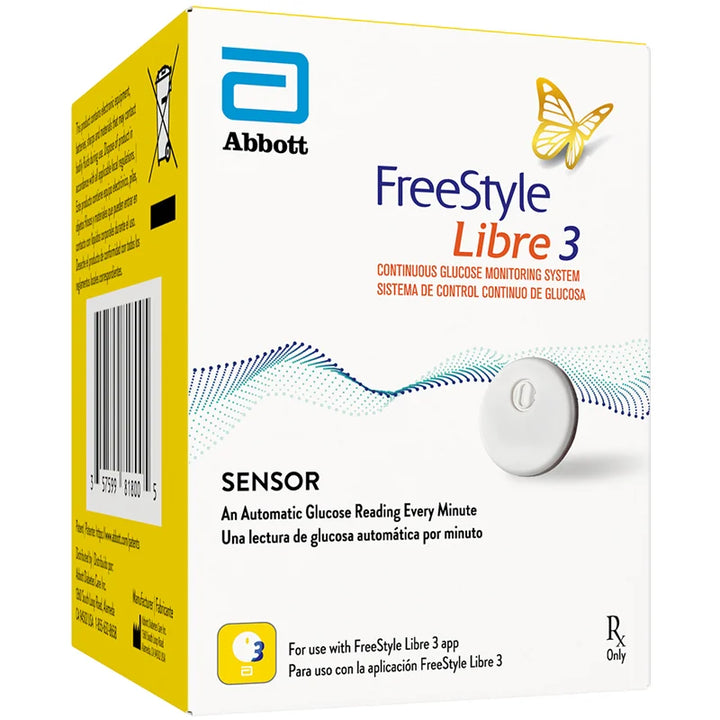
Freestyle Libre 3: The Freestyle Libre has the longest-lasting sensor on the market, allowing for 15 days of wear before replacement. It syncs to a companion app on your phone for real-time readings and ongoing logging.
FreeStyle Libre 3 Sensor
$ 125.18
$ 151.91
*Please note that the FreeStyle Libre 3 sensors are only compatible with the FreeStyle Libre 3 app. The FreeStyle Libre 3 CGM Sensor Kit does not currently include a reader with a built-in glucose blood glucose meter. Sensors are not compatible with… read more
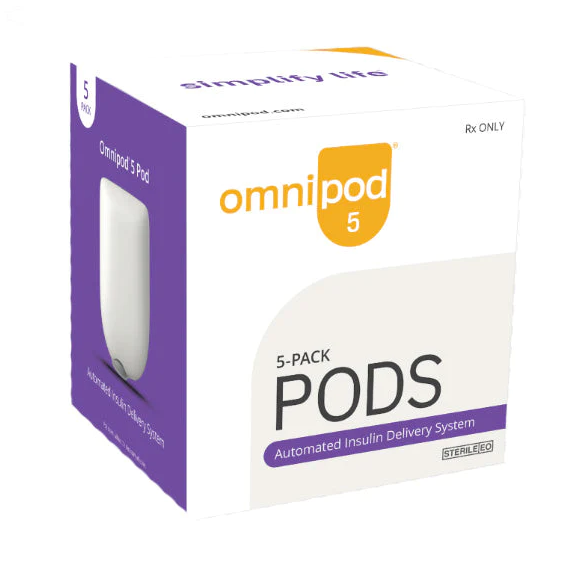
Both sensors integrate with the Omnipod 5, a reputable insulin pump on the market.
OmniPod 5 Pods - Pack of 5
$ 339.59
$ 387.53
The Omnipod 5 Pods are for use with the automated, tubeless and waterproof insulin delivery system - Omnipod 5 System which is also compatable with the Dexcom G6 CGM. The Pod can be worn almost anywhere an injection would be… read more
Bottom Line
Tech continues to improve diabetes management for everyone, including children, older adults, and those with advanced health challenges. New blood glucose meters allow smaller or continuous samples, integration with insulin pumps, or synchronization with your smartphone to log results.
If you’re browsing, be sure to check out the options in our shop at Total Diabetes Supply. But always consult your doctor for a personalized recommendation tailored to your specific health needs.
FAQs
What is the new technology to check blood sugar?
CGM devices are the latest and easiest way to check blood sugar levels these days. They use a wearable sensor to take ongoing samples, which means you don’t have to prick your finger to get results.
Can an Apple Watch monitor blood sugar?
No, not yet. Many companies are working to develop alternative, less invasive methods for checking blood sugar. But no watch or ring accurately detects glucose levels at this time.
What is the new blood glucose monitor without pricking?
CGMs take blood glucose readings without pricking. The newest ones are the Dexcom G7 and the Freestyle Libre 3 or 3 Plus.