
Table of Contents
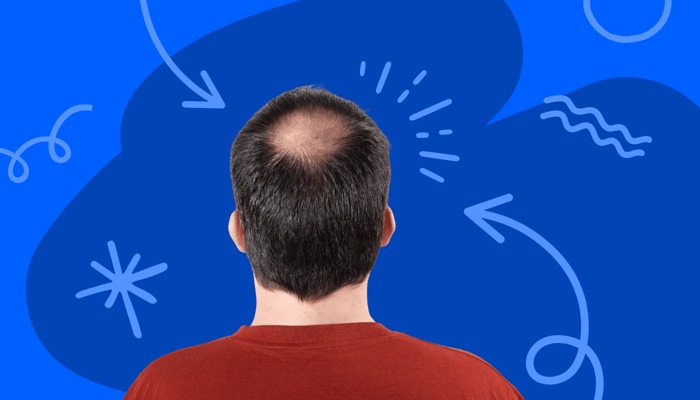
Are you noticing excess shedding when you brush your hair? Or, do you notice unusual patches of hair loss? Your diabetes may be impacting your hair and scalp health, although the relationship isn’t always obvious.
Keep reading to explore the links between diabetes and hair loss and what you can do to treat it.
Key Takeaways
Diabetes can cause hair loss through poor blood circulation, medication side effects (especially GLP-1s and metformin-related B12 deficiency), and overlapping autoimmune conditions like alopecia areata.
Improving blood sugar levels protects the blood vessels that supply hair follicles with oxygen and nutrients.
Treatment options range from hair loss medications like minoxidil to procedures like PRP and laser therapy, but always consult a doctor to identify the underlying cause first.
Reviewing How Diabetes Affects the Body
Diabetes is a long-term condition affecting how the body uses blood sugar (glucose). People with type 1 diabetes don’t produce insulin, a hormone that helps the body’s cells use glucose. Those with type 2 diabetes can produce insulin, but don’t make enough.
As glucose levels rise in the blood, people are at risk of serious complications affecting nerves, blood circulation, and other body systems. (1)
The Connection Between Diabetes and Hair Loss
Experts believe people may experience hair loss for several reasons related to their diabetes, though more research is needed. These include poor blood flow, medication side effects, and common overlapping health conditions.
Poor Blood Flow
Hair follicles can be damaged by high blood sugar (hyperglycemia). High blood sugar can damage blood vessels that carry oxygen and other nutrients to the follicles, which could make hair more fragile and vulnerable to fallout. It could also impact how quickly hair regrows during its natural growth cycle.
Poor blood flow can also affect other parts of the body. Research shows that more than one-fourth of people with type 2 diabetes have hair loss below the knees due to peripheral arterial disease (PAD). PAD is a cardiovascular (heart and blood vessel) condition that affects blood flow to the extremities, including the legs and feet. People with diabetes are twice as likely to have PAD as people without it. (2, 3)
Medication Side Effects
Some diabetes medications are linked to hair loss. Glucagon-like peptide-1 receptor agonists (GLP-1s) are now common medications to treat prediabetes and type 2 diabetes, but research now suggests they’re associated with hair loss in some people. More research is needed to understand why. (4)
Some people taking metformin also notice hair loss, although metformin doesn’t list hair loss as a side effect. Instead, metformin is associated with vitamin B12 deficiency, which can lead to hair loss. (5)
Overlapping Autoimmune Conditions
Type 1 diabetes is an autoimmune disease that people are born with. Some people may also have other overlapping autoimmune diseases, like alopecia areata and systemic lupus erythematosus (SLE). (2, 6)
Alopecia areata: A condition where the body attacks hair follicles, causing patchy hair loss on the scalp or all over the body. In some cases, people become completely hairless. (7)
SLE: A disease where the body’s immune system attacks organs and tissues throughout the body. People with SLE commonly experience hair loss as a symptom. (8)
Management Options
If you have diabetes and notice hair loss beyond occasional shedding, talk to your doctor or a dermatologist to figure out what’s causing it. There are several options for managing hair loss.
Treat the Underlying Cause
The first step is understanding what’s causing your hair loss. For example, if your doctor suspects an overlapping health condition, they may need to run tests to confirm it and get you on the right treatment plan. For some people, this may mean seeing other specialists or starting a different medication to better manage symptoms.
Those who are experiencing hair loss as a potential side effect of medication may benefit from adjusting dosage, and some people with nutrition deficits (like B12 deficiency) may need supplements. But never start, stop, or change medication without consulting a licensed provider.
Control Blood Sugar
If your blood sugar isn’t well controlled, talk to your doctor to find a better treatment plan. Since high blood sugar can affect blood flow and follicle health, improving blood sugar levels could make a difference.
People with diabetes can control blood sugar through lifestyle changes — like an improved diet or regular exercise — and medication. Those who are already taking medication but have trouble improving their blood sugar levels may need a dose adjustment or a different medication.
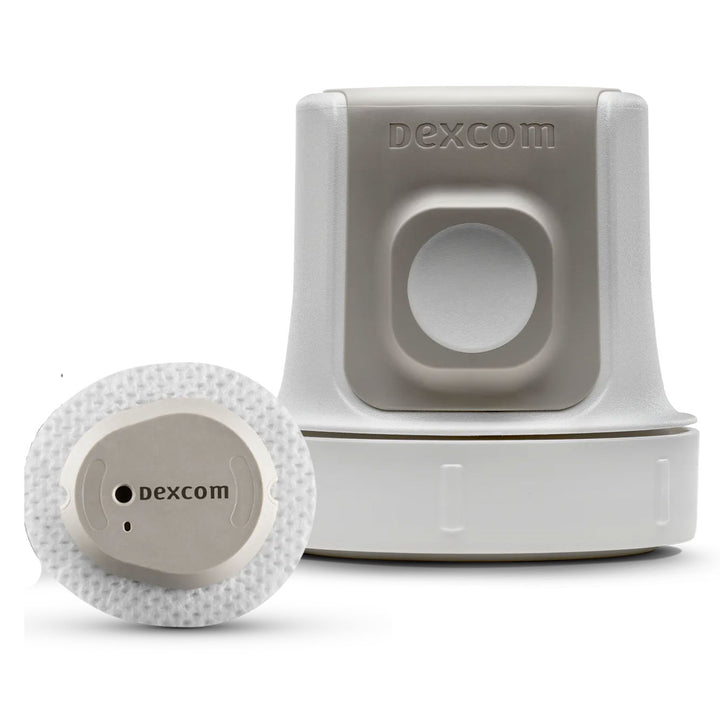
Some people may also benefit from changing how they monitor their glucose. Your doctor may suggest switching to a wearable continuous glucose monitor (CGM) for real-time readings, like the Dexcom G7 system.
Dexcom G7 CGM System
$ 166.85
$ 205.99
The Dexcom G7 Continuous Glucose Monitoring System (CGM) is a comprehensive system that has changed the way individuals living with diabetes have monitored and maintained their blood glucose levels. Dexcom G7 is for patients two years and older with any type… read more
Use Hair Loss Medication
There are several medications designed to treat hair loss and boost regrowth, depending on the cause. Topical minoxidil (Rogaine) is a common over-the-counter treatment that stimulates scalp blood flow and hair growth. A doctor may also prescribe certain medications if they’re right for you, including oral minoxidil, finasteride, dutasteride, and spironolactone. (9)
Total Diabetes Supply now offers prescriptions for hair loss. Once you complete an online consultation, a licensed provider will prescribe a treatment tailored to your needs. Then, it’s shipped discreetly to your door. Join our Rx Program today.
Other Solutions
Some dermatologists offer other approaches, depending on the root cause of your hair loss. These include: (9)
Platelet-rich plasma (PRP) treatment: A treatment where your own blood is injected into the scalp to enrich the follicles and stimulate hair growth.
Laser therapy: An option using a laser device to stimulate follicles in an effort to improve hair density.
Hair transplants: A restoration surgery where dermatologists remove hair from one area of the head and relocate it to a hairless area to improve appearance.
People with diabetes should check with their doctor before undergoing any procedures to make sure they’re safe.
Bottom Line
Many people with type 1 and type 2 diabetes experience hair loss due to blood flow issues, medication side effects, and overlapping health conditions. Consult your doctor if you’re experiencing excessive shedding to check for other contributing factors. Your hair loss may be managed by improving blood sugar or taking hair loss medication (if deemed appropriate by a licensed provider). Some dermatologists may also suggest other procedures, but always check if they’re safe with your diabetes.
References
World Health Organization: WHO & World Health Organization: WHO. (2024, November 14). Diabetes. https://www.who.int/news-room/fact-sheets/detail/diabetes
Miranda, J. J., Taype-Rondan, A., Tapia, J. C., Gastanadui-Gonzalez, M. G., & Roman-Carpio, R. (2016). Hair Follicle Characteristics as an Early Marker of Type 2 Diabetes. Medical Hypotheses, 95, 39. https://doi.org/10.1016/j.mehy.2016.08.009
Soyoye, D. O., Abiodun, O. O., Ikem, R. T., Kolawole, B. A., & Akintomide, A. O. (2021). Diabetes and peripheral artery disease: A review. World Journal of Diabetes, 12(6), 827. https://doi.org/10.4239/wjd.v12.i6.827
Rojas Lopez R, Lynett Barrera D, Amaya Muñoz M, et al. (August 13, 2025) Alopecia as an Emerging Adverse Effect Associated With Glucagon-Like Peptide-1 (GLP-1) Receptor Agonists for Weight Loss: A Scoping Review. Cureus 17(8): e90021. https://doi.org/10.7759/cureus.90021
Infante, M., Leoni, M., Caprio, M., & Fabbri, A. (2021). Long-term metformin therapy and vitamin B12 deficiency: An association to bear in mind. World Journal of Diabetes, 12(7), 916. https://doi.org/10.4239/wjd.v12.i7.916
Xie, W., Jiang, H., Chen, Y., Yu, Z., Song, Y., Zhang, H., Li, S., Han, S., & Liu, N. (2024). Relationship between type 1 diabetes and autoimmune diseases in European populations: A two-sample Mendelian randomization study. Frontiers in Genetics, 15, 1335839. https://doi.org/10.3389/fgene.2024.1335839
National Institute of Arthritis and Musculoskeletal and Skin Diseases. (n.d.). Alopecia areata. National Institutes of Health. https://www.niams.nih.gov/health-topics/alopecia-areata
Cleveland Clinic. (November 2, 2025) Lupus. https://my.clevelandclinic.org/health/diseases/4875-lupus
Mayo Clinic. (n.d.) Hair Loss. https://www.mayoclinic.org/diseases-conditions/hair-loss/diagnosis-treatment/drc-20372932
FAQs
Can type 1 diabetes make you lose your hair?
People with type 1 diabetes are at higher risk for developing other autoimmune diseases, like alopecia areata, which can cause you to lose hair. Alopecia areata causes patchy hair loss ranging from mild to severe and can affect the entire body. (2, 7)
How do I prevent hair loss from diabetes?
The main way to prevent hair loss from diabetes is to control blood sugar with diet, exercise, and medication to protect the blood vessels that feed hair follicles oxygen and nutrients. (1)
What diabetic medication causes hair loss?
GLP-1 medications are associated with hair loss, but experts are exploring why this happens. Hair loss is not a side effect of metformin, but it could be associated with vitamin B12 deficiency, which could cause hair loss. (5)