
Table of Contents
Key Takeaways
Not all sweeteners affect your blood sugar levels the same way. What are the best sweetners for people with diabetes? Alternatives like stevia, monk fruit, allulose, and erythritol have little to no effect on your blood sugar levels, while xylitol or sweetener blends might have a slight effect.
Natural and artificial sweeteners have their pros and cons. While they might not raise your blood sugar levels, artificial sweeteners might have unwanted effects on gut health and cause digestive sensitivities.
Everyone has a different effect on sweeteners. Make sure you keep track of your blood sugar levels with a blood sugar level test kit when adding a new sweetener (artificial or natural) to your meals.
Living with diabetes doesn’t mean cutting out all the foods you love, especially if you have a sweet tooth. For decades, diabetes meant you had to cut out all sugars from your life. And, while it’s true that you need to cut all simple sugars, there are other ways for you to still get those sweet treats you enjoy.
Choosing the best sweetener for people with diabetes can help you enjoy those delicious treats without significantly affecting your blood sugar levels. However, how do you know which are the best sweeteners for people with diabetes?
Here, we are going to take a closer look at all those sweeteners available that can give you that sweet sensation without affecting your blood sugar levels. From natural sweeteners to sugar alcohols and artificial sweeteners, we will take a closer look at the best options for you to add.
Natural vs. Artificial Sweeteners
When you walk down the baking aisle, it can be overwhelming seeing all the different types of sweeteners available. These products generally fall into two main categories: natural sweeteners and artificial sweeteners.
Artificial sweeteners, such as sucralose and aspartame, are synthetic forms of sugar substitutes. This means that you need a lab to create that sweet taste without providing you with the calories.
For many years, these were the primary choice for people who had diabetes and were trying to manage their blood sugar levels. Since they pass through the digestive system without breaking down into glucose, they don’t typically create a blood sugar spike.
However, recent studies suggest that relying too heavily on certain artificial sweeteners may negatively affect your gut microbiome, potentially leading to digestive problems and reduced insulin sensitivity over time.
On the other hand, natural sweeteners come from plants or fruits. Here, you can find options like stevia, monk fruit, and sugar alcohols like erythritol. They offer a more holistic approach to satisfying your sweet tooth.
Additionally, it seems it might not affect your gut microbiome as much as artificial sweeteners do. And, just like the artificial sweeteners, they have little to no impact on your glucose levels.
Of course, the only way to know exactly how your body responds to any dietary change is to test it. Using a reliable blood sugar level test kit lets you see real-time data after trying a new product.
TRUE METRIX AIR BlueTooth Blood Glucose Meter

$ 38.18
$ 46.34
TRUE METRIX AIR BlueTooth Blood Glucose Meter No more logbooks, store all of your data on your mobile device! TRUE METRIX AIR glucometer is a technology with reach. With integrated wireless capability, this Bluetooth-enabled glucose meter seamlessly delivers results to… read more
Natural Sweeteners
Stevia
Stevia is the extract from the Stevia rebaudiana plant, and it’s 300 times sweeter than regular table sugar. Since the human body cannot metabolize the sweet compounds (steviol and glycosides), they pass through the body without adding any calories or increasing blood sugar levels.
However, some people notice a slight bitter or licorice-like aftertaste, which is why some brands blend stevia with another sweetener to reduce this.
Monk Fruit
Monk fruit, or luo han guo, is a small green melon native to Southeast Asia. Its sweetness comes from antioxidants – substances that protect your body from unstable molecules – called mogrosides. These are separated from the fresh juice to create a concentrated powder or liquid.
This extract has no calories or carbohydrates and a zero glycemic index. It tends to have a cleaner taste profile than stevia, making it a great option for your beverages and baked goods.
Allulose
Allulose is a rare sugar found in small quantities in figs, raisins, and maple syrup. Even though it shares a similar chemical structure to fructose, the body absorbs very little of it and mostly excretes it intact.
While it provides 70% of the sweetness of regular sugar, it has almost zero calories and has no measurable impact on blood sugar levels. Additionally, allulose browns and caramelizes, making it a great option for diabetes-friendly baked goods.
Sugar Alcohols
Erythritol
Erythritol is one of the most diabetes-friendly sugar alcohols available. It has almost zero calories and has a glycemic index of zero. Most of it is absorbed into the bloodstream and then released in your urine. As a result, since it doesn’t go through your intestines, it rarely causes bloating, unlike other sugar alcohols.
Erythritol has a mild, cooling sensation in the tongue, which works well with minty or fruit-based desserts or recipes.
Xylitol
Xylitol has a taste similar to real sugar and is used in dental products because it can starve the bacteria that cause cavities. However, it has a small number of calories and a glycemic index of 7, which is still considered low.
While this can drastically reduce your regular sugar intake, eating xylitol in large quantities can cause a slight rise in your blood sugar levels. So, it all comes down to portion size and how often you are including it.
Additionally, xylitol draws water into the intestines, which can lead to digestive issues in some people. And, it can also be toxic to dogs, so it’s important to keep it in a safe place if you have pets.
Artificial Sweeteners
Sucralose
Most commonly known by the brand name Splenda, this artificial sweetener is made by chemically altering sugar molecules so the body cannot break them down. It is roughly 600 times sweeter than sugar and holds up well under high heat, making it a great option for baking.
While pure sucralose doesn’t have an effect on blood sugar levels, many baking blends use a combination of sucralose and maltodextrin or dextrose, which are fillers that can cause an unexpected blood sugar spike. For that reason, make sure you always check the ingredient list and buy those that contain only sucralose.
Aspartame
Aspartame is commonly used in diet sodas or low-calorie packaged goods. It’s made of two amino acids and provides zero calories. While it doesn’t raise your blood sugar levels, it can lose some of its sweetness when you expose it to high temperatures.
And, even though this sweetener is considered a safe alternative for most people, some might get headaches or experience some sensitivities.
Using Sweeteners for Cooking and Baking
Transitioning away from refined sugar in the kitchen, whether you are producing delicious baked goods or adding it to sweeten your breakfasts, it does require some experimentation. Sugar does more than just provide sweetness; it also adds moisture, bulk, and structure.
Here are some tips to help you replace regular table sugar with a diabetes-friendly sweetener.
Check the conversion ratio: Since sweeteners like stevia and monk fruit are sweeter than sugar, you might need to add a bit less to the recipe. Always look for a baking blend or check the manufacturer’s conversion chart.
Mix the sweeteners: You can try combining two different sweeteners, like monk fruit and erythritol. This can cancel out the negative aftertaste and mimic the flavor of real sugar much better than using just one sweetener.
Watch the moisture: Sugar naturally holds onto water. When you remove it from a recipe, your baked goods might turn out dry. Try adding an extra splash of liquid, a spoonful of unsweetened applesauce, or some Greek yogurt.
Potential Side Effects of Sweeteners
While sugar substitutes can be a great alternative for reducing your calorie intake or helping you control your blood sugar levels, they may have side effects.
Some people experience gastrointestinal issues, such as bloating, gas, or diarrhea, especially when they eat sugar alcohols in large quantities. Also, artificial sweeteners have some controversial studies around their long-term safety.
Additionally, sweeteners might alter taste perception over time, making naturally sweet foods seem less satisfying. It’s important to use any sweetener in moderation and pay how your body responds. Also, make sure you speak with your healthcare provider before making any significant changes to your eating habits.
Monitoring Your Body’s Reaction to New Sweeteners
Everyone’s metabolism is different. A sugar substitute that might keep a sugar level steady for someone might produce a sugar spike for you. That is why you should always monitor your body carefully when you introduce something new to your routine.
So, before you add a new sweetener, use your blood glucose level testing kit to get an accurate starting reading. Write down the date, time, and number you got from the reading. Then, add a sugar sweetener, hopefully without combining it with a heavy, carbohydrate-rich meal.
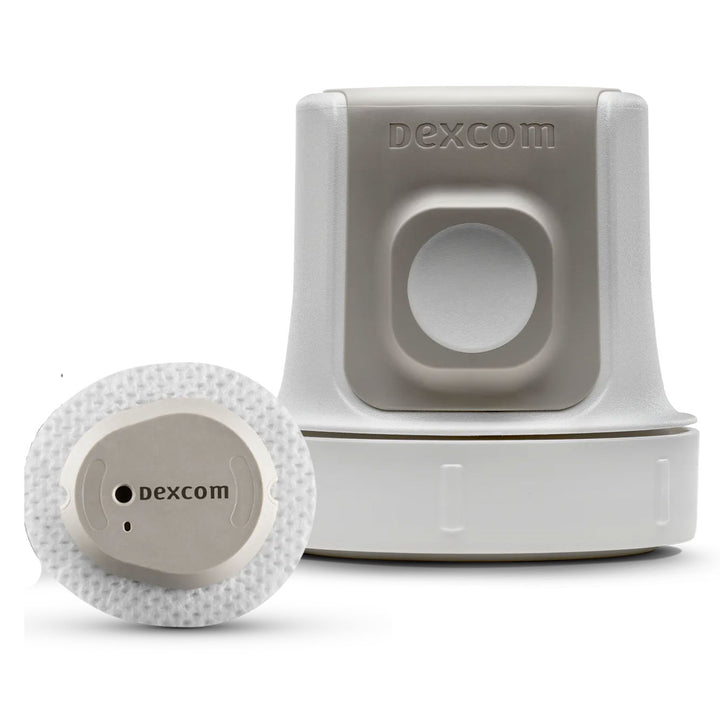
Wait for a couple of hours and take your reading again. If your levels remain steady, you likely found a safe, reliable option. However, if you notice a spike, you might want to try it again to see if it happens again. And, if you want to make things easier, consider using a continuous glucose monitoring system to check the overall glucose trend.
Dexcom G7 CGM System
$ 166.85
$ 205.99
The Dexcom G7 Continuous Glucose Monitoring System (CGM) is a comprehensive system that has changed the way individuals living with diabetes have monitored and maintained their blood glucose levels. Dexcom G7 is for patients two years and older with any type… read more
The Bottom Line
Choosing the best sweeteners for people with diabetes depends on your taste preferences, digestive tolerance, and culinary needs. Natural sweeteners like monk fruit and allulose are great for cooking, while erythritol can be a good alternative for everyday use.
On the other hand, stevia and monk fruit can be a great option to add some sweetness to your favorite beverages or breakfasts.
Always monitor your blood glucose levels when you introduce a new sweetener into your routine to see exactly how it affects you.
References
Ashwell, Margaret. “Stevia, Nature’s Zero-Calorie Sustainable Sweetener.” Nutrition Today, vol. 50, no. 3, 2015, pp. 129–134, www.ncbi.nlm.nih.gov/pmc/articles/PMC4890837/.
Cayabyab, Kevin B., et al. “The Metabolic and Endocrine Effects of a 12-Week Allulose-Rich Diet.” Nutrients, vol. 16, no. 12, 1 Jan. 2024, p. 1821, www.mdpi.com/2072-6643/16/12/1821, https://doi.org/10.3390/nu16121821.
Hetta, Helal F, et al. “Artificial Sweeteners: A Double-Edged Sword for Gut Microbiome.” Diseases, vol. 13, no. 4, 15 Apr. 2025, pp. 115–115, pmc.ncbi.nlm.nih.gov/articles/PMC12025785/, https://doi.org/10.3390/diseases13040115.
José Alfredo Aguayo-Guerrero, et al. “Sucralose: From Sweet Success to Metabolic Controversies—Unraveling the Global Health Implications of a Pervasive Non-Caloric Artificial Sweetener.” Life, vol. 14, no. 3, 29 Feb. 2024, pp. 323–323, www.ncbi.nlm.nih.gov/pmc/articles/PMC10971371/, https://doi.org/10.3390/life14030323.
Kaim, Urszula, and Karolina Labus. “Monk Fruit Extract and Sustainable Health: A PRISMA-Guided Systematic Review of Randomized Controlled Trials.” Nutrients, vol. 17, no. 9, 24 Apr. 2025, pp. 1433–1433, www.mdpi.com/2072-6643/17/9/1433, https://doi.org/10.3390/nu17091433.
Matcha Angelin, et al. “Artificial Sweeteners and Their Implications in Diabetes: A Review.” Frontiers in Nutrition, vol. 11, 25 June 2024, www.frontiersin.org/journals/nutrition/articles/10.3389/fnut.2024.1411560/full, https://doi.org/10.3389/fnut.2024.1411560.
Regnat, K., et al. “Erythritol as Sweetener—Wherefrom and Whereto?” Applied Microbiology and Biotechnology, vol. 102, no. 2, 1 Dec. 2017, pp. 587–595, www.ncbi.nlm.nih.gov/pmc/articles/PMC5756564/, https://doi.org/10.1007/s00253-017-8654-1.
Salli, Krista, et al. “Xylitol’s Health Benefits beyond Dental Health: A Comprehensive Review.” Nutrients, vol. 11, no. 8, 6 Aug. 2019, p. 1813, https://doi.org/10.3390/nu11081813.
Shaher, Shurooq Asaad Abdulameer, et al. “Aspartame Safety as a Food Sweetener and Related Health Hazards.” Nutrients, vol. 15, no. 16, 18 Aug. 2023, p. 3627, pubmed.ncbi.nlm.nih.gov/37630817/, https://doi.org/10.3390/nu15163627.
FAQs
Do artificial sweeteners cause weight gain?
While artificial options don’t have any calories, some say that they might increase appetite or affect your gut microbiome. Additionally, just because a food contains artificial sweeteners, it doesn’t make it completely calorie-free since it depends on the other ingredients.
Are sugar alcohols safe for people with diabetes?
Yes, most sugar alcohols are safe for people with diabetes. However, they might cause digestive problems in some people and lead to a moderate increase in blood glucose. Always reach out to your healthcare team when adding or removing anything from your diet.
Can I use honey if I have diabetes?
Honey is not a sugar-free alternative, and while it may have a lower glycemic index than table sugar, it can still spike your blood sugar.