
Table of Contents
Key Takeaways
Erectile dysfunction (ED) affects millions of men and can develop from both physical and psychological causes.
ED medications can work quickly and are effective for many men, but they treat symptoms rather than underlying causes.
Combining ED pills with lifestyle changes often leads to the best results, especially for men with conditions like diabetes or heart disease.
The right treatment depends on your overall health and preferences.
Erectile dysfunction affects more men than most people realize, with around 30 million men experiencing it at some point. Whether it happens occasionally or on a consistent basis, ED can often hurt self-confidence and even relationships.
Fortunately, there are various ways to treat ED. Many men see the value in an oral pill as a convenient option, but lifestyle changes like exercise and diet can be just as important. When weighing ED pills vs. lifestyle changes, it's helpful to know that these options don't have to be mutually exclusive.
What Causes ED?
An inability to maintain a strong erection can happen for a number of reasons. These can involve both physical and psychological causes.
Physical Causes of ED
ED is usually caused by physical problems that can directly impair an erection, such as poor blood flow or nerve conditions. Physical conditions that may be linked to ED include the following:
Poor blood flow to the penis
Nerve damage after diabetes, an injury, or a procedure
Hormonal problems, such as low testosterone
Medication side effects
Obesity
High blood pressure
High cholesterol
Psychological Causes of ED
Psychological problems can also play a part in ED. If you’ve ever felt stressed or anxious, you may have found it difficult to experience an erection. Psychological causes include:
General anxiety or stress
Depression
Relationship problems
Performance anxiety
In many cases, both physical and psychological problems can lead to ED. Sometimes, ED starts as a physical problem, but it can cause stress that makes the problem worse. Therefore, treatment may need to manage various causes.
How Do ED Pills Work?
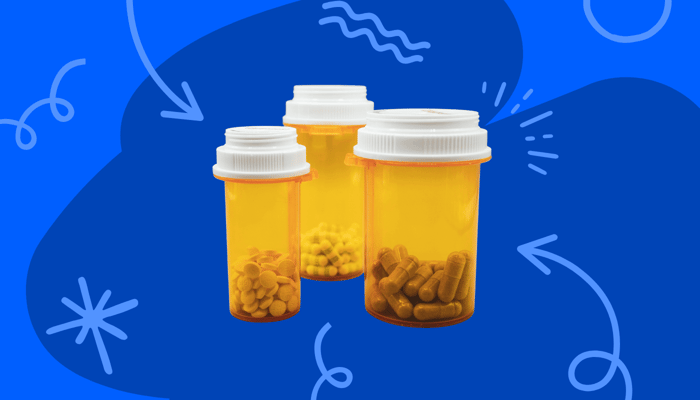
The main players when it comes to ED medications are the PDE5 inhibitors, which include prescription drugs like sildenafil (Viagra), Cialis (tadalafil), vardenafil (Levitra), and avanafil (Stendra). These medications work by relaxing blood vessels to improve blood flow to the penis. As a result, they can make it easier to achieve an erection while sexually aroused.
ED pills typically differ in how long they last and the ideal time to take them. Below are some of the key features of ED medications.
Medication | Duration of Action | Ideal Time of Administration | Food Interactions |
4 to 6 hours | 30 to 60 minutes before sexual activity | Absorption may be delayed with fatty meals | |
24 to 36 hours | 30 minutes before sexual activity or once daily | No effect of food on absorption | |
4 to 7 hours | 30 to 60 minutes before sexual activity | Absorption may be delayed with fatty meals | |
6 to 8 hours | 15 to 30 minutes before sexual activity | Absorption may be delayed with fatty meals, although the effect is less significant than with Viagra or Levitra |
For most men, ED pills generally work fast and are effective based on clinical trials. They can also be convenient and easy to use. However, while they work well for many men, they’re not a cure for ED. In other words, they don’t tackle any underlying health problems that may be causing ED, such as obesity or hormonal problems.
Things to Keep in Mind With ED Pills
PDE5 inhibitors share many of the same common side effects, including the following:
Headaches
Flushing in the face, neck, or chest
Stuffy nose
Indigestion
Dizziness
Muscle aches
Vision changes
Most side effects are mild and temporary, and they often go away as the drug is cleared from the body.
Because of their effects on blood vessels and other parts of the body, PDE5 inhibitors also come with other precautions. Consult a healthcare provider about the following before taking an ED drug like Viagra or Cialis.
Heart conditions
Low blood pressure
Liver or kidney disease
Eye conditions
ED medications may interact with other prescription drugs, especially medications that can also lower blood pressure. For example, PDE5 inhibitors should never be combined with nitrates such as nitroglycerin and isosorbide.
What Lifestyle Changes Can Help with ED?
When considering ED pills vs. lifestyle changes, it's worth knowing how lifestyle habits work. Eating well and exercising, for example, can have benefits that help support overall health, which can extend to managing erectile function.
Exercise Regularly
Physical activity and regular exercise, in particular, are recommended lifestyle changes. A review of six studies with 740 men found that exercise significantly improved erectile function. Although exercise alone helped on its own, it also improved the effectiveness of ED medications. In addition, exercise also improved heart health markers like cholesterol. Examples of exercise can include walking, running, swimming, weightlifting, and yoga.
Improve Your Diet
What you eat may also affect erectile function. A study following over 21,000 men found that those who ate healthier diets had a lower risk of developing ED. That means eating more vegetables, fruits, nuts, legumes, and fish while limiting red and processed meats.
Lose Excess Weight
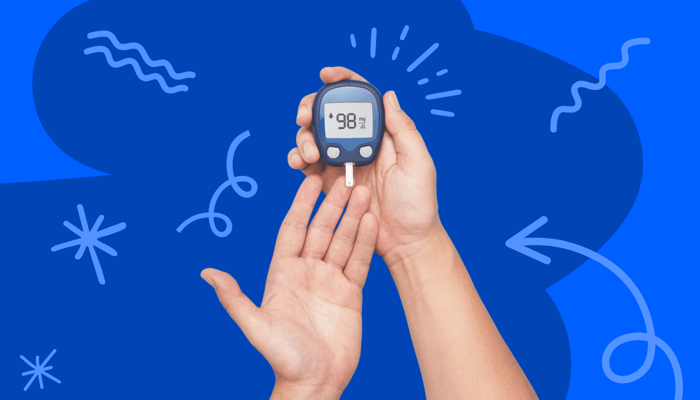
Those who are overweight or obese may also experience improved erectile function from losing weight. One meta-analysis showed that losing weight significantly improved erectile function scores compared to men who didn't lose weight. Since excess weight is often linked to diabetes, weight management plans can have benefits on blood sugar levels, which extends beyond just one area of health.
TRUE METRIX AIR BlueTooth Blood Glucose Meter

$ 38.18
$ 46.34
TRUE METRIX AIR BlueTooth Blood Glucose Meter No more logbooks, store all of your data on your mobile device! TRUE METRIX AIR glucometer is a technology with reach. With integrated wireless capability, this Bluetooth-enabled glucose meter seamlessly delivers results to… read more
Quit Smoking
Quitting smoking may help reverse the damage associated with erectile dysfunction. A study of men aged 30 to 60 found that those who quit smoking had significant improvements in their erectile function scores just six months after quitting. The improvements were seen across all age groups. If you're a smoker with ED, quitting should be a top priority.
Limit Alcohol
Studies show that heavy alcohol use can contribute to erectile dysfunction. One large study of over 31,000 men aged 53 to 90 found that alcohol consumption was linked to increased rates of ED. Drinking in moderation, which is no more than two drinks per day for men, may help with managing ED. As alcohol can also have direct effects on the blood vessels, it’s best to avoid it before sexual activity.
Manage Stress and Mental Health
Since stress and anxiety can potentially worsen ED, keeping these mental health problems controlled can be helpful. Being more relaxed can allow the body to function at its best. Apart from getting a good night’s sleep, mindfulness meditation, breathing exercises, and even therapy or counseling can help manage ED indirectly. Communicating with your partner can also be key to managing stress when it comes to sexual activity.
Combining ED Pills and Lifestyle Changes
It’s often recommended to combine ED medication with lifestyle changes. While ED medication can help provide immediate results, lifestyle changes can help manage the underlying causes over time. Exploring the balance between ED pills vs. lifestyle changes may help you find long-term success. Always consult a healthcare provider who can help you choose the right ED treatment option.
Total Diabetes Supply offers a convenient solution for men who are experiencing performance issues in the bedroom. You can consult a healthcare provider online and receive ED medication delivered discreetly to your door.
Sources
Psychological Factors Related to Impotence as a Sexual Dysfunction in Young Men: A Literature Scan for Noteworthy Research Frameworks, Clinics and Practice (2022)
PDE5 Inhibitors, John Hopkins Medicine (2018)
PDE5 Inhibitors, StatPearls (2023)
The Effect of Lifestyle Modification and Cardiovascular Risk Factor Reduction on Erectile Dysfunction: A Systematic Review and Meta-Analysis, Database of Abstracts of Reviews of Effects (2011)
Association of Diet With Erectile Dysfunction Among Men in the Health Professionals Follow-up Study, JAMA Network Open (2020)
Effect of Weight Loss on Erectile Function in Men With Overweight or Obesity: A Meta-Analysis of Randomised Controlled Trials, Andrologia (2022)
Effect of Smoking Cessation on Sexual Functions in Men Aged 30 to 60 Years, International Brazilian Journal of Urology (2020)
Sexual Function in Men Older Than 50 Years of Age: Results From the Health Professionals Follow-Up Study, Annals of Internal Medicine (2003)
FAQs
How long does it take for lifestyle changes to improve ED?
Timelines can vary depending on the person. Quitting smoking may offer results in as few as six months, while weight loss and exercise could take a few months before seeing benefits on ED
Can I stop taking ED medication once I make lifestyle changes?
Some men find they need to rely less on ED medications after consistent lifestyle habits. However, it’s best to consult a healthcare provider when choosing between ED pills vs. lifestyle changes.
Are ED pills safe to use long-term?
ED pills are generally safe to use long-term as long as they’re taken as prescribed by a healthcare provider. Regular checkups are still important while taking these medications.
Do I need a prescription for ED medication?
PDE5 inhibitors like Viagra and Cialis need a prescription from a licensed healthcare provider. Telehealth platforms are available if convenience and privacy are a concern.