
Table of Contents
Key Takeaways
Protein helps prevent blood sugar spikes. Protein slows digestion and delays the release of carbohydrates, providing steadier energy.
Pairing carbs with protein is crucial to support your blood sugar levels. Eating carbohydrates alone can cause rapid blood sugar spikes, so make sure you always pair them with a protein source.
Focus on small, strategic habits. Start by applying simple actions like starting your day with protein, building your meals around it, or making sure you eat your protein first.
You eat your lunch and feel great for an hour…but suddenly you feel tired, crave something sweet, or reach for another snack. Does this sound familiar? This rollercoaster after eating might be due to a missing nutrient: protein.
Carbohydrates are the main drivers of glucose spikes. When you eat them on their own, your body breaks them down quickly, increasing the amount of glucose in your bloodstream. Now, this doesn’t mean you need to avoid them altogether; you just need to add the right ingredients alongside them.
Protein is the key to helping you regulate your blood glucose levels. It acts as a biological buffer, slowing the digestive process and preventing sudden spikes in your blood sugar. By understanding how protein works and how to strategically add it to your daily meals, you can improve satiety, promote steady energy levels, and keep your diabetes under control.
Protein and Insulin Response
When you eat a meal rich in carbohydrates, your stomach quickly empties its contents into your intestines. Here, the enzymes start to rapidly break down these carbohydrates into simple sugars.
Then, these sugars enter your bloodstream, creating a sharp rise in your blood sugar levels. To manage this, your pancreas releases insulin, which helps your cells absorb these sugars and maintain more stable blood sugar levels.
What protein does is change this timeline. Since the body takes longer to digest protein, it stays longer in your stomach. So, when you combine protein with carbohydrates, it delays gastric emptying. This means your food stays in your stomach longer, creating a steadier release of glucose.
Additionally, eating protein stimulates the release of specific incretin hormones in your gut, such as GLP-1 and GIP. These hormones play a crucial role in communicating with your pancreas. They tell your body it needs to start releasing insulin while still suppressing glucagon, the hormone that tells your liver it needs to release stored sugar.
As a result, this creates a gentle rise and fall in glucose levels, rather than a sharp peak, followed by a sudden crash.
Best Protein Sources
Since protein acts as a buffer, it’s important that you focus on including a source in every meal. Here are some of the best protein sources you can include in your daily meals.
Animal-Based Proteins
Animal sources are considered complete proteins since they have all 9 essential amino acids. Proteins are made up of amino acids (think of them as pearls in a pearl necklace). The body can produce some (non-essential), while others need to come from the foods you eat (essential).
Here are some great animal-based protein sources:
Lean poultry like chicken and turkey breast.
Fish and seafood, like salmon, tuna, and shrimp.
Eggs, both the egg whites and the egg yolk.
Dairy products, like low-fat cheese or Greek yogurt.
Plant-Based Proteins
If you prefer a vegetarian or vegan approach, plant-based sources can give you the protein your body needs. However, keep in mind that not all of them are considered complete sources of protein, meaning they don’t always give you all 9 essential amino acids.
Additionally, legumes are both a source of protein and carbs. While they are not bad, it’s important you count them towards your daily carb intake.
Here are some of the best plant-based sources:
Legumes, like lentils, chickpeas, and beans.
Soy products, like tofu, tempeh, and edamame, are among the few plant-based sources of complete protein.
Nuts and seeds like almonds, chia seeds, hemp seeds, and pumpkin seeds.
Whole grains like quinoa and buckwheat tend to have a bit more protein than other grains.
Protein Hacks for Blood Sugar Levels
Now that you know how protein affects your blood sugar levels, it’s time to put it into action. For this, you don’t need to track meticulously every gram of protein, but rather focus on several strategies to help you have stable blood glucose levels.
Start Your Day Strong
Breakfast can set how your blood sugar levels behave the rest of the day. Most traditional breakfast foods – cereal, toast, and pastries – have a high glycemic index, which can lead to an early energy crash.
Try swapping these out for a vegetable omelet, a serving of Greek yogurt with a handful of nuts and fruit, or a protein-rich smoothie. When you give your body a good protein intake early in the day, it can help keep cravings low and energy levels stable.
Rethink Your Snacks
If you find yourself feeling hungry between meals, avoid reaching for crackers or chips. Always make sure you pair a carbohydrate with a protein to keep your glucose levels steady. For example, you can have an apple with natural almond butter, a hard-boiled egg with baby carrots, or a small handful of roasted chickpeas.
You can also purchase quick snacks at your favorite diabetic grocery store. They can give you quick options like Procel protein powder for a quick drink or an Extend protein bar when you need to have something on the go.
Build the Plate Around Protein
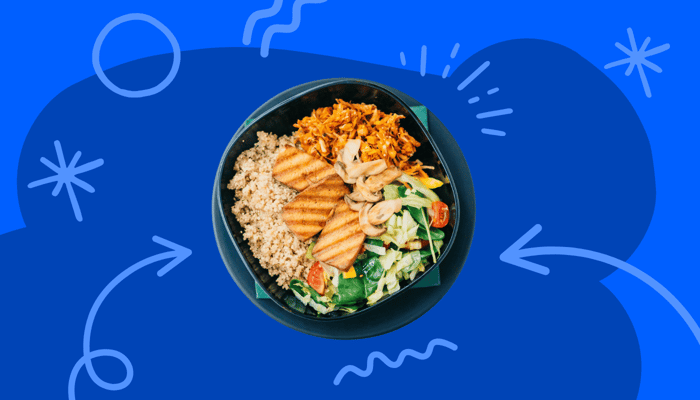
When planning your lunch or dinner, or when you are going out to eat, make sure you choose your protein source first. Once you have decided on grilled chicken, baked tofu, or a piece of fish, you can build the rest of the meal around it.
Fill half your plate with non-starchy vegetables like broccoli, spinach, or zucchini. Leave a quarter of the plate for a complex carbohydrate like sweet potatoes, brown rice, or quinoa.
Eat Your Protein First
Once you choose your protein, try to start your meal with it. As mentioned, this can help create more stable glucose release. Additionally, eating protein first can help reduce your appetite, increase your feelings of fullness, and reduce your portion sizes.
For example, you can start your meal with a few bites of grilled chicken, move to your vegetables, and end with your starches.
Monitoring Your Daily Progress
Adjusting your meals is highly beneficial, but you need data to confirm that your new habit is working. Using a reliable blood sugar test kit is the best way to gather this information. Try to test your glucose levels before eating and then two hours after your meal. This gives you a clear picture of how the protein affected your sugar levels.
Make sure you make it a habit to log your meals alongside your glucose reading. Over a few weeks, you can start checking patterns and determine what the best carbohydrate and protein combo is for you.
If you want more thorough control, try getting a continuous glucose monitor to give you a bigger picture of your blood glucose levels.
Dexcom G7 CGM System

$ 166.85
$ 205.99
The Dexcom G7 Continuous Glucose Monitoring System (CGM) is a comprehensive system that has changed the way individuals living with diabetes have monitored and maintained their blood glucose levels. Dexcom G7 is for patients two years and older with any type… read more
The Bottom Line
Having stable blood sugar levels doesn’t require extreme diets or removing all your favorite foods. It’s a matter of strategic pairing and mindful eating. By making sure you include protein in every meal and snack, you give your body the tools it needs to process carbohydrates effectively.
You can start small, perhaps by upgrading your breakfast or your snack. Over time, these small adjustments will help you get better glucose levels and, in return, better energy levels and fewer cravings.
References
American Diabetes Association. “Let’s Talk about Protein for People with Diabetes | American Diabetes Association.” Diabetesfoodhub.org, 24 Feb. 2025, diabetesfoodhub.org/blog/lets-talk-about-protein-people-diabetes.
Gannon, Mary C, et al. “An Increase in Dietary Protein Improves the Blood Glucose Response in Persons with Type 2 Diabetes.” The American Journal of Clinical Nutrition, vol. 78, no. 4, 1 Oct. 2003, pp. 734–741, pubmed.ncbi.nlm.nih.gov/14522731/, https://doi.org/10.1093/ajcn/78.4.734.
Jäger, Ralf. “International Society of Sports Nutrition Position Stand: Protein and Exercise.” Journal of the International Society of Sports Nutrition, vol. 14, no. 1, 20 June 2017, jissn.biomedcentral.com/articles/10.1186/s12970-017-0177-8.
MedlinePlus. “Glycemic Index and Diabetes: MedlinePlus Medical Encyclopedia.” Medlineplus.gov, 3 Nov. 2022, medlineplus.gov/ency/patientinstructions/000941.htm.
Zargar, Abrar Ahmad, et al. “Incretin Hormones: Mechanisms, Therapeutic Implications, and Future Directions in Glucose Regulation and Diabetes Management.” Current Proteomics, vol. 22, no. 2, Apr. 2025, p. 100014, https://doi.org/10.1016/j.curpro.2025.100014.
FAQs
How much protein should I eat per meal to keep my blood glucose levels steady?
The amount of protein you need is going to depend on your age, weight, and activity level. Some people recommend getting at least 0.8 grams of protein per kilogram of body weight, while others recommend a higher intake, such as 1.4 to 2.0 grams per kilogram of body weight.
You can aim for 20-30 grams of protein per meal, which is enough to slow gastric emptying and buffer carbohydrate absorption.
Can eating too much protein raise my blood sugar levels?
Yes, your body can turn the excess protein into glucose through a process that it’s called gluconeogenesis. However, this is a slow and highly regulated process. And, for this to happen, you might need to eat more than 75 grams of protein per meal.
Are plant-based proteins as effective as animal proteins?
Yes! Plant-based proteins like lentils, beans, tofu, and quinoa can give you a great protein boost. Additionally, they are high in fiber, which can also help reduce carbohydrate absorption. Do keep in mind that some plant-based protein sources contain carbs, so you need to keep track of how much you eat.