
Table of Contents
Key Takeaways
Diabetes isn’t one condition. Type 1 and Type 2 have different underlying causes, but both lead to high blood glucose levels
Type 1 diabetes is autoimmune and tends to come on quickly, while Type 2 is driven by insulin resistance and usually develops more gradually
Management looks different for each, but both rely on regular blood glucose monitoring and long-term care
Same Name, Different Biology
“Diabetes” is often spoken about as a single condition, but it's actually an umbrella term that includes a range of conditions, with the two most common being Type 1 and Type 2 diabetes mellitus.
Both types share the same result which is high blood sugar (glucose) levels, but the underlying biology to get to this point is a bit different depending on which type of diabetes it is.
At the center of it all is insulin. This is the hormone that helps move glucose from your bloodstream into your cells, where it can be used for energy. When that process isn’t working properly, glucose starts to build up in the blood instead.
One way to think about it is: your body either isn’t making enough insulin (or any at all), or your cells become gradually less responsive to it (known as insulin resistance) (1).
Understanding which type of diabetes you have, and why it happens, is important when it comes to managing your health and figuring out which tools will actually help in day-to-day life.
Type 1 Diabetes: When the Immune System Gets It Wrong
Type 1 diabetes is an autoimmune condition, where the immune system mistakenly attacks the insulin-producing beta cells in the pancreas (2). When enough of these cells have been destroyed, the body stops making insulin altogether, which is why people with Type 1 are insulin-dependent from the start.
Who It Affects
Type 1 diabetes is often diagnosed in children or young adults, but it can develop at any age (2). It’s often assumed that when an adult develops diabetes it's automatically Type 2, but this isn’t always the case and may lead to a misdiagnosis when it’s actually Type 1.
What Daily Management Looks Like
For people with Type 1 diabetes who have to take lifelong insulin, keeping blood sugar levels stable is really important to reduce highs and lows. Daily life involves balancing insulin, food intake and activity levels, as well as regular monitoring of glucose levels.
Insulin Delivery
Insulin needs to be taken every day in multiple doses, as the body no longer produces it. Common methods include insulin syringes, insulin pens and needles or insulin pumps (3,4).
EasyTouch Insulin Syringe - 29G 1cc 1/2in - BX 100

$ 20.69
$ 23.86
When it comes to the best 1cc ½" needles 29G, it's all about affordable prices and comfort. Many of our customers trust EasyTouch 29-gauge 1cc 1/2" insulin syringes and needles for their everyday insulin administration and insulin syringe needs. This… read more
Blood Sugar Monitoring
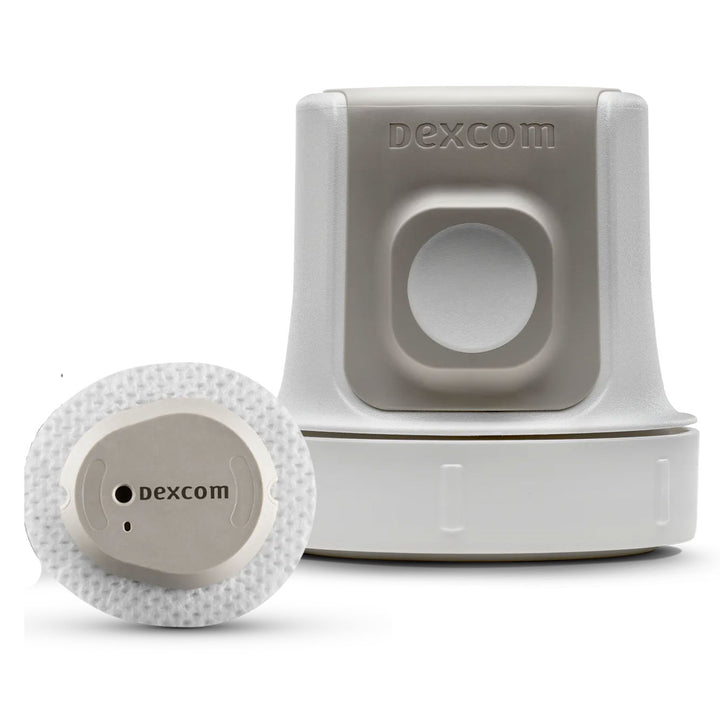
Blood glucose levels need to be checked regularly if you have Type 1 diabetes. It’s important to prevent your blood glucose levels from getting too high, but also too low (hypoglycemia) which is a medical emergency. Insulin doses should be adjusted according to what you eat, your activity levels and your current blood glucose level. People often do finger-prick checks using blood glucose meters and glucose test strips, or they use continuous glucose monitors (CGMs) like Dexcom which allows you to track your blood glucose levels 24/7 (3).
Dexcom G7 CGM System
$ 166.85
$ 205.99
The Dexcom G7 Continuous Glucose Monitoring System (CGM) is a comprehensive system that has changed the way individuals living with diabetes have monitored and maintained their blood glucose levels. Dexcom G7 is for patients two years and older with any type… read more
Type 2 Diabetes: When Insulin Resistance Sets In
Type 2 diabetes develops a bit differently to Type 1. Instead of the body not producing insulin at all, the problem is that your cells become insulin resistant (less responsive to insulin) over time (5).
At first, the pancreas tries to compensate by producing more insulin, but over time it can’t keep up and your blood sugar levels rise. This combination of insulin resistance and progressive decline in insulin production is what sets the stage for Type 2 diabetes.
Who It Affects
Type 2 is most common in adults, but it’s being seen more often in younger people now too (6). Lifestyle and genetic factors like BMI, activity levels and your overall metabolic health play a big role in determining your risk factors for developing Type 2 diabetes.
What Daily Management Looks Like
The number one priority here is to focus on lifestyle changes. The goal is to improve the body's sensitivity to insulin and keep blood glucose levels, blood pressure and cholesterol within a healthy range (7).
Lifestyle and Medication
The first steps are usually healthy eating and regular exercise. Often, medication (like metformin) might also be needed to help lower blood glucose levels. Sometimes, insulin is required in cases where other treatment has failed to bring the blood sugar levels down to a safe range, or when the diabetes has progressed and the pancreas is no longer producing enough insulin.
Blood Sugar Monitoring
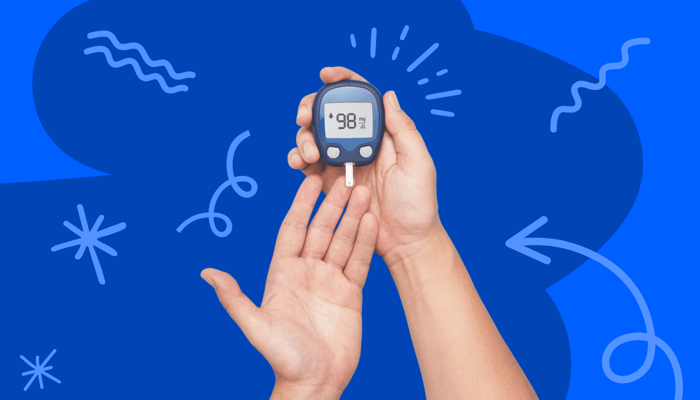
Keeping an eye on your blood glucose levels can help you to see how your body responds to food, activity, and medication. Many people use a blood glucose meter with lancets and test strips for regular checks. Others choose a continuous glucose monitor. Choosing the best blood glucose monitoring kit often comes down to a few questions:
Is this easy to use?
Is it accurate?
Does it fit into my daily routine?
With Type 2 diabetes, patterns over time matter more than a single glucose reading. Regular monitoring can help identify these patterns so that you can adjust your diet, activity or medication.
TRUE METRIX GO® Meter Kit

$ 26.83
$ 32.56
The small TRUE METRIX GO® blood glucose meter is twisted onto a vial of TRUE METRIX Test Strips, while enhanced performance features make this the ideal meter for users seeking everyday testing convenience. Enhanced performance features, such as 7-, 14-,… read more
Symptoms to Look Out For and Why They Matter
There is a lot of overlap in symptoms between Type 1 and Type 2.
Common symptoms include (8,9):
Increased urination
Feeling very thirsty
Hunger even after eating
Blurry vision
Fatigue
Cuts or bruises that take longer to heal
Frequent infections (such as UTIs, skin infections, or yeast infections)
One key difference is how quickly symptoms develop.
With Type 1 diabetes, symptoms tend to come on really quickly, often over days to weeks, and can include unexplained weight loss (9). When adults are diagnosed with Type 1, the presentation can be a little different to the more typical pattern seen in children (such as weight loss, increased urination, and thirst). In adults, it can sometimes resemble Type 2, with a more gradual onset.
In Type 2 diabetes, symptoms often develop more slowly and can go unnoticed for years. Apart from the common symptoms listed above, the first signs may actually be related to complications of long-term high blood sugar, such as numbness or tingling in the hands or feet (peripheral neuropathy), sexual dysfunction, or vision changes (7).
If there isn’t enough insulin in the body, especially in Type 1 diabetes, it can lead to a serious complication called diabetic ketoacidosis (DKA) (9). Without insulin, your cells are unable to use glucose for energy. Instead, your body starts breaking down fat for energy, which can lead to a build-up of ketones which makes the blood more acidic (9). Symptoms can include nausea, vomiting, abdominal pain, rapid breathing and confusion (10). DKA is a medical emergency and requires urgent medical attention (9,10).
Over time, high blood glucose in both Type 1 and Type 2 diabetes increases the risk of complications affecting the heart, kidneys, eyes, and nerves (7).
If you're experiencing any of these symptoms, it’s important to speak to a healthcare professional who can assess your symptoms in context. Diabetes can be diagnosed using blood tests (such as fasting glucose, HbA1c or OGTT), along with your clinical history and examination to find out which type of diabetes it is. Although these tests can confirm that you have diabetes, they can’t tell you what type you have. More specialised tests like certain autoantibodies may be used to decide if you have Type 1 diabetes (11).
A1CNow® Self Check - 4 Count Test Kit

$ 55.00
$ 109.19
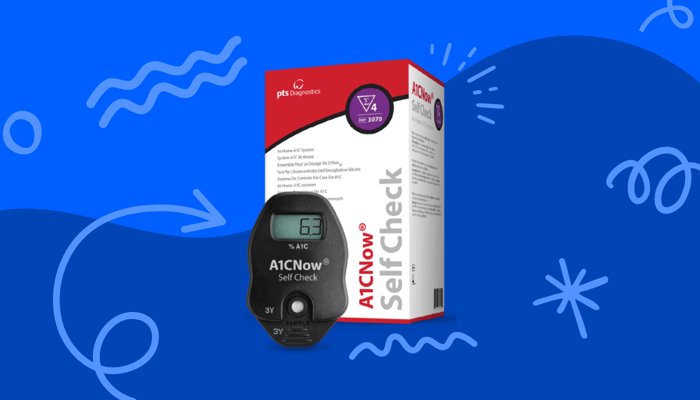
A1C is a window into your overall blood glucose control, spanning the past two to three months. The A1CNow® Self Check system provides a quick and easy way to get accurate HbA1C results at home that you can use to… read more
Bottom Line
Type 1 and Type 2 diabetes share a name and some symptoms, but they’re different conditions requiring different approaches. Understanding which type you have (and why) matters more than most people realise. It shapes everything from the medications you take to the monitoring tools you rely on day to day. Whatever the type, working closely with your healthcare team makes a real difference to long-term outcomes.
References
National Institute of Diabetes and Digestive and Kidney Diseases (NIDDK). What is Diabetes? https://www.niddk.nih.gov/health-information/diabetes/overview/what-is-diabetes
American Diabetes Association. Understanding Type 1 Diabetes. https://diabetes.org/about-diabetes/type-1
National Institute of Diabetes and Digestive and Kidney Diseases (NIDDK). Type 1 Diabetes. https://www.niddk.nih.gov/health-information/diabetes/overview/what-is-diabetes/type-1-diabetes
National Institute of Diabetes and Digestive and Kidney Diseases (NIDDK). Insulin, Medicines, and Other Diabetes Treatments. https://www.niddk.nih.gov/health-information/diabetes/overview/insulin-medicines-treatments#syringe
American Diabetes Association. Understanding Type 2 Diabetes. https://diabetes.org/about-diabetes/type-2
Centers for Disease Control and Prevention (CDC). Type 2 Diabetes. https://www.cdc.gov/diabetes/about/about-type-2-diabetes.html?CDC_AAref_Val=https://www.cdc.gov/diabetes/basics/type2.html
National Institute of Diabetes and Digestive and Kidney Diseases (NIDDK). Type 2 Diabetes. https://www.niddk.nih.gov/health-information/diabetes/overview/what-is-diabetes/type-2-diabetes
American Diabetes Association. About Diabetes: Warning Signs and Symptoms. https://diabetes.org/about-diabetes/warning-signs-symptoms
National Institute of Diabetes and Digestive and Kidney Diseases (NIDDK). Symptoms & Causes of Diabetes. https://www.niddk.nih.gov/health-information/diabetes/overview/symptoms-causes
American Diabetes Association. Diabetes and DKA (Ketoacidosis). https://diabetes.org/about-diabetes/complications/ketoacidosis-dka/dka-ketoacidosis-ketones
National Institute of Diabetes and Digestive and Kidney Diseases (NIDDK). Diabetes Tests and Diagnosis. https://www.niddk.nih.gov/health-information/diabetes/overview/tests-diagnosis
Pieralice S, Pozzilli P. Latent Autoimmune Diabetes in Adults: A Review on Clinical Implications and Management. Diabetes Metab J. 2018. https://pmc.ncbi.nlm.nih.gov/articles/PMC6300440/
FAQs
If I have Type 2 diabetes, will I eventually need insulin?
Not necessarily. Many people manage Type 2 diabetes with lifestyle changes alone, or with the addition of oral medicines like metformin. Some people will need insulin though if their blood glucose is not effectively managed with other interventions, especially if the condition progresses.
Is Type 1 diabetes only diagnosed in children?
Although it’s more commonly diagnosed in children and young adults, Type 1 diabetes can develop at any age.
What is LADA and why does it matter?
LADA (latent autoimmune diabetes in adults) is sometimes called “Type 1.5 diabetes” because it seems to be a mix of both Type 1 and Type 2. It usually develops more slowly than Type 1 and is often diagnosed in adulthood.
Clinical features can closely resemble Type 2, which is part of why it’s sometimes misdiagnosed as Type 2. People with LADA usually have antibodies in their blood similar to those seen in Type 1. Correctly identifying LADA is important as it often requires insulin treatment. (12)