
Table of Contents
If you’re new to your insulin pump kit, you may feel overwhelmed by the components and how to care for them. Experiencing a learning curve with your new pump is normal, and we’re here to help you make sense of it all.
This quick guide provides helpful care tips for your insulin pump, including where to find support for your specific device and when to contact your doctor. Our team hopes this guide gives you confidence in maintaining your pump and managing your diabetes, so you can live life uninterrupted.
Understanding Your Insulin Pump, Supplies, and Parts
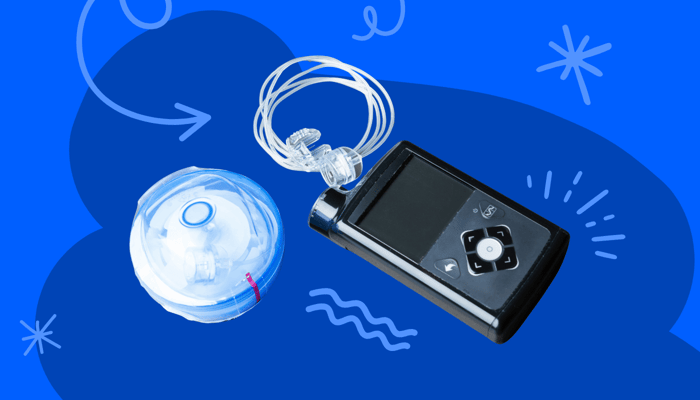
All pumps have similar care requirements, although tubed and tubeless pumps have their own considerations due to their different parts. They also have their own associated diabetic pump supplies. We have a separate guide about insulin pumps for diabetes if you’d like more information.
Many brands and their devices or supplies also have specific maintenance instructions, so be sure to review your user manual in detail. This includes how to solve error messages or alerts, when to change your insulin reservoir, and steps for replacing infusion sets or automated insulin delivery systems.
Medtronic Minimed MMT332A Paradigm Reservoir 3ml - 10 Bx

$ 42.43
$ 51.49
These MiniMed Paradigm Reservoirs are custom made for Medtronic MiniMed Paradigm 7 Series insulin pumps and can be used with all Medtronic MiniMed Paradigm infusion sets. User-filled Medtronic MiniMed insulin reservoir holds up to 3 ml of insulin. Includes… read more
If you’re new to your pump, you should receive in-person or virtual training from a certified professional where specific care instructions are addressed. Even after you learn how to use your pump, it's a good idea to keep your user manual as a resource, just in case you forget a detail.
Medtronic Minimed MMT864 Sure-T Infusion Set - 29G 6mm Cannula and 23" Tubing - 10/BX

$ 125.13
$ 151.86
The newest infusion set by Medtronic Minimed, the Sure-T Infusion Set is the thinnest steel needle infusion set currently available. The Sure-T infusion set provides insulin pump users with simplicity and security while infusing their insulin. Additionally, the Minimed Sure-T… read more
Care Tips for Insulin Pumps
Tubed and tubeless insulin pump kits might have special care considerations due to their design. But many pumps, regardless of their design, benefit from these tips.
Handle with care: Always wash your hands when it’s time to handle your pump and prep your infusion site. Lotions and other residue-leaving products can damage the device or irritate surrounding skin. Also, introducing bacteria to the infusion site could lead to inflammation and infection.
Avoid harsh chemicals: If you need to clean your pump, use a mild detergent. Soap and water should do the trick. Otherwise, you may damage the device.
Scanner exposure: Some brands specify whether their pump (and compatible continuous glucose meter, if applicable) can be scanned through airport security and imaging machines. The Food and Drug Administration (FDA) has received many reports of wearable devices malfunctioning after X-rays and other scans. It’s best to check your brand’s guidelines around medical imaging and travel to keep your pump safe.
Plan for extreme weather: Insulin loses effectiveness in extreme temperatures. It freezes around 32 degrees Fahrenheit, just like water. It also breaks down in excessively hot temperatures. Some brands recommend storing insulin below 85 degrees Fahrenheit and avoiding exposure to temperatures above 108 degrees Fahrenheit. Always check your insulin’s temperature requirements and plan accordingly. In sweltering heat, keep your pump out of direct sunlight to keep the insulin’s temperature under control. And on freezing days, keep tubeless pumps in a case close to your body for warmth and check the tubing for frozen insulin that could block future doses.
Use compatible supplies: Always use supporting supplies from the same brand or other companies recommended by the brand. For example, a tubed pump may use rechargeable batteries. The FDA recommends using a compatible charger, as recommended by your pump’s manufacturer, to avoid overheating or other damaging issues.
Considerations for Tubed Insulin Pumps
Tubed insulin pump kits have more physical parts than tubeless pumps. Consider these common care tips to keep each part working its best.
Keep dry and cool: Even though most modern tubed pumps are water-resistant, frequent or constant moisture can eventually damage the device. Brands often recommend clipping your pump to your belt with the buttons facing away to avoid moisture and oils from the skin. Some also recommend using carrying cases as a protective barrier during activities like exercise.
Check for kinks and blockages: Infusion can become tangled and kinked. Even short infusion sets can have flow disruptions. Regularly check your tubing and infusion set to make sure there are no blockages (or leaks) that can impact insulin delivery. Most devices should alert you if there’s a blockage, but there could be a delay.
Considerations for Tubeless Insulin Pumps
Tubeless insulin pump kits have fewer physical components but are more technical. They have their own unique maintenance needs.
Regularly check connectivity: Sometimes, the connection between your continuous glucose meter and tubeless pump (or Personal Diabetes Manager/app and pump) can be disrupted. Minor glitches can happen and resolve on their own, but long or frequent connectivity disruptions may affect insulin delivery. For example, if you make a change to your insulin schedule on your app while disconnected, your pump will continue its previously programmed schedule until it regains connection. If connectivity issues keep happening, troubleshoot using your pump’s specific user guide or contact support.
Protect the adhesives: Tubeless pumps use medical-grade adhesives to stay secure and keep the area sterile, but they count on a consistently dry environment to remain sticky. Most systems are water-resistant or waterproof, but excessive moisture can affect adhesion, potentially causing your pump to shift around and fail. If you prepare the pump’s site properly, like shaving and cleaning the area with alcohol pads, the adhesion should be more reliable. You can also buy overlays to help keep your pump secure and sterile during exercise or water activities.
When Do I Replace My Insulin Pump and Supplies?
Each insulin pump has its own maintenance schedule, although it may vary depending on the type of insulin you use and your specific dose.
For example, many insulin pods or cartridges can be changed every two to three days. If you have a tubed insulin pump, you may also time your infusion set change with your cartridge change, depending on your suggested schedule. This is when you should switch infusion sites to prevent scarring in one area, which can lead to poor insulin absorption.
Most people keep their insulin pump for several years, or until its warranty end date. Insurance companies should cover a new insulin pump kit every four to five years, depending on the plan. Call your insurance carrier to see if you’re eligible for an upgrade or replacement.
When to Consult Your Healthcare Professional
Not all pump complications need medical attention, but some do.
If you’re having a medical emergency because of pump failure or insulin overdose (or an unexplained reason), contact 911 immediately. You should also seek medical help if you’re experiencing constantly high or low blood sugar levels that you can’t control.
If you notice any issues at your infusion site, such as redness, swelling, pus, leakage, or warmth, you should contact a healthcare professional. These are signs of an infection and should be addressed as soon as possible. You may also need to switch sites to avoid issues with insulin absorption.
Bottom Line
Caring for your insulin pump kit can help keep your device working as expected, giving you the freedom and confidence to focus on your life. Most of our care tips can be easily worked into your routine, although it may take time.
If you notice any consistent issues, refer to your user manual or call your pump’s supplier for more information. And if your pump isn’t controlling your diabetes well, talk to your doctor about adjusting your treatment plan.
Don’t forget to check out our shop if you need any diabetic insulin pump supplies. Our knowledgeable customer service team (1-877-977-7709) is happy to answer your questions.
FAQs
How do I clean an insulin pump?
Insulin pumps can be wiped off with soap and water. Avoid using harsh detergents to clean your pump because they can cause damage to the hardware.
How do people with insulin pumps shower?
Check your pump’s user manual. If it’s only water-resistant, it should be disconnected while showering. If it’s waterproof, you should be able to leave it on.
How often should I change an insulin pump?
Tubeless pumps and tubed pumps’ infusion sets are changed every few days. Different pumps and infusion sets have their own recommendations, so check your user manual for specific guidance.
How do you know if your insulin pump site is infected?
A pump site might be infected if you notice any of the following symptoms: redness, hardness, pain, warmth, pus, leakage, and/or swelling. If you suspect your pump site is infected, consult a medical professional to prevent the infection from worsening. In the meantime, remove the pump and place a new one at another site.