
Table of Contents
If you have diabetes, that doesn’t mean you have to give up completely on your social activities, especially when they involve alcohol. However, alcohol and diabetes are a complex combo that does require careful consideration and a little more planning.
It probably has popped into your mind if you can still enjoy a glass of wine with your dinner or go have that beer with your friends. All without affecting your blood sugar levels.
The relationship between alcohol and blood sugar levels can be a bit tricky. While moderate alcohol intake can be possible for some people with diabetes, it does require you to understand how different types of alcohol affect your body, know which choices are safer, and follow specific guidelines to minimize certain risks.
Here, we are going to navigate through all the complexities around alcohol if you have diabetes. We’ll go over how alcohol affects your blood sugar levels, what the best choices are, and the risks you should know about regarding alcohol and diabetes.
Key Takeaways
Alcohol can cause delayed hypoglycemia (low blood sugar levels) up to 24 hours after the drink.
Never drink on an empty stomach when trying to manage your blood sugar levels.
Beer and sweet cocktails typically have more carbohydrates than dry wines or spirits.
Make sure you monitor your blood sugar with your glucose meter levels frequently before, during, and after drinking.
How Alcohol Affects Blood Sugar Levels
It’s important to understand how your body handles alcohol and how it affects your blood glucose monitoring. The problem is that when you drink, your liver prioritizes metabolizing the alcohol molecule over keeping steady blood sugar levels.
In the beginning, alcohol may cause a blood sugar spike, especially if you are drinking beverages that contain carbohydrates like beer, sweet wines, or mixed drinks with sugary mixers.
The problem is that this spike is often followed by a big sugar drop (hypoglycemia)(1). As your liver works to clear the alcohol from your system, it lowers the production of glucose. This process can continue for up to 24 hours after your last drink, potentially leading to dangerous low blood sugar episodes, particularly while you sleep.
And, this is particularly more dangerous if you are taking insulin or medication that increases insulin production (like sulfonylureas). This powerful combo can create very dangerous blood sugar levels that can put you at risk.
Safer Alcohol Choices for People with Diabetes
Not all alcoholic beverages affect your blood sugar the same way. That is why it’s important to know which are the best options to prevent your blood glucose meter from panicking.
Best Options: Spirits and Dry Wine
Distilled Spirits
Pure spirits like vodka, gin, whiskey, and rum have zero carbohydrates when you drink them neat or with a sugar-free mixer (2). Normally, a standard 1.5-ounce serving won’t cause immediate blood sugar spikes. However, it can still create delayed effects.
Dry Wines
Dry red and white wines have a very low carbohydrate content. Both a 5-ounce serving of red or white dry wine provides around 4 grams of carbs (3, 4), which isn’t a significant amount.
Another great option would be certain styles of champagne, since they offer between one and three grams of carbs. But just like the wine, make sure it’s a dry champagne and not the sweeter option.
Moderate Options: Light Beer and Low-Carb Cocktails
Light Beer
Light beers generally have fewer carbohydrates than regular beers. Normally, light beers have 3-6 grams of carbohydrates, while the regular option has 12-15 grams per can.
So, if you are a beer type of person, choose the following options: Miller Lite, Coors Light, Bud Light, and Busch. These are all great low-carb options that may help prevent your blood sugar levels from spiking too high.
Low-Carb Cocktails
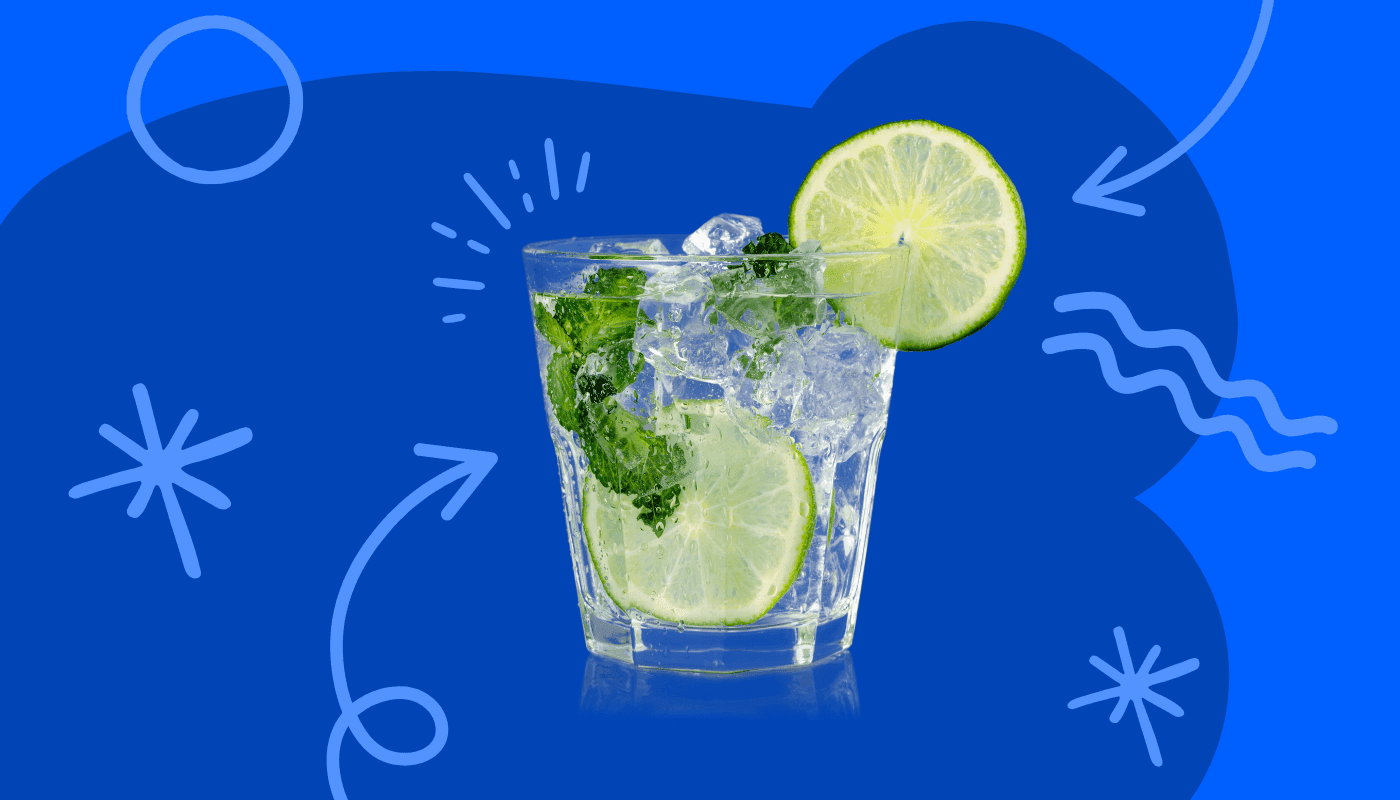
For those who enjoy cocktails but want to keep their carbohydrate intake low, there are some great options. Classic drinks like gin and tonic can be made into a diabetes-friendly drink by swapping the tonic water with a sugar-free version.
Martinis or vodka soda can also be another great alternative, as long as the club soda or seltzer is sugar-free. On that same note, a Bloody Mary is another good option (as long as the tomato juice doesn’t have any added sugars).
Finally, if you are a Margarita fan, there are a couple of modifications you can request. Try using fresh lime juice, a low-carb sweetener, and make sure you are using a sugar-free mixer.
Choices to Limit or Avoid: High-Carb Options
Regular Beer
Standard beer can contain 10-15 grams of carbohydrates, making them a very high carbohydrate option if you have diabetes. Keep in mind that dark beers and ales often have even more carbs.
Sweet Wines and Dessert Wines
The problem with sweet wines is that they can contain 8-20 grams of carbohydrates, causing significant spikes in your blood sugar levels.
Cocktails with Sugary Mixers
Drinks that are made with regular soda, fruit juices, or sweet syrups can contain easily 20 to 40 grams of carbohydrates, making them a dangerous choice for someone with diabetes.
Tips for Drinking Alcohol Safely When You Have Diabetes
If you are going to go out drinking, it’s not only a matter of what type of drink to choose, but it also requires you to plan before, during, and after your drinking. Here are some tips to help you manage your blood sugar levels while drinking.
Before Drinking
Check Your Blood Sugar Levels: Always make sure you test your blood glucose before drinking. If it’s below 100 mg/dL, try to eat something before drinking to prevent hypoglycemia.
Plan Your Meals: Never drink on an empty stomach. Try to eat a meal that has protein, healthy fats, and complex carbs before and during drinking to help you have more stable blood sugar levels.
During Drinking
Drink in Moderation: According to the U.S. Dietary Guidelines, it’s recommended to drink a maximum of two drinks for men and one drink for women (5). Not only is it going to be better for overall health, but it will also help you have better control of your sugar levels.
Stay Hydrated: A good rule of thumb is to have a glass of water before and after every alcoholic beverage you have. Not only is it going to make you feel fuller (helping you reduce the intake), but it will also help you stay hydrated.
After Drinking
Monitor Closely: Check your blood sugar levels before bed and consider setting an alarm to test them again in the middle of the night, especially if you have more than one drink.
Keep Glucose Handy: Have fast-acting glucose tablets or a snack in case you suffer from nighttime hypoglycemia.
TRUEplus® Glucose Tablets - Assorted Fruit
$ 7.94
$ 9.64
TRUEplus Glucose Tablets and Soft Tabs each contain 15 grams of pre-measured, fast-acting carbohydrates, and come in convenient sizes to fit individual needs. Available in Assorted Fruit, Birthday Cake, Cherry Chocolate, Grape, Orange, Raspberry, Strawberry, Tropical Fruit, and Watermelon flavors.… read more

Bottom Line
Just because you have diabetes, it doesn’t mean you cannot enjoy a drink or two. However, it does require a little more planning and careful consideration. The key is to understand how alcohol affects your body and how to choose the best drinks to support your blood sugar levels.
Remember, if you feel that managing your alcohol intake is too overwhelming or you have a history of alcohol-related problems, it’s best to practice abstinence. And, if you notice that your glucose levels are fluctuating, consult with your healthcare professional.
Sources
American Diabetes Association. “Alcohol & Diabetes | ADA.” Diabetes.org, 2024, diabetes.org/health-wellness/alcohol-and-diabetes.
Food Database, USDA . “Alcoholic Beverage, Distilled, All (Gin, Rum, Vodka, Whiskey) 80 Proof.” USDA Food Database, 6 Oct. 2025, fdc.nal.usda.gov/food-details/174815/nutrients.
Food Database, USDA. “Alcoholic Beverage, Wine, Table, Red.” USDA Food Database, 6 Oct. 2025, fdc.nal.usda.gov/food-details/173190/nutrients.
Food Database, USDA. “Alcoholic Beverage, Wine, Table, White.” USDA Food Database, 6 Oct. 2025, fdc.nal.usda.gov/food-details/174837/nutrients.
United States Department of Agriculture. Dietary Guidelines for Americans 2020-2025 . USDA, 2020.
FAQs
Can people with diabetes drink alcohol?
Yes, if you have diabetes, you can still drink alcohol. However, it does require planning and monitoring. Always make sure you consult with your healthcare provider before adding alcohol to your routine.
Should I skip my diabetes medication when drinking?
No, you should never skip your medications without talking with your healthcare provider first. Some medications might require some adjusting, but stopping them can cause dangerous effects.
What should I do if I experience low blood sugar after drinking?
If you have low blood sugar levels, treat them immediately with fast-acting glucose tablets or other quick-acting carbohydrates. If the symptoms continue or are too severe, seek medical attention immediately.