
Table of Contents
Learning what you can or cannot eat if you have diabetes can be overwhelming. With so much noise on the internet, it’s okay to feel a bit lost.
Snacks can be a powerful tool to help you manage your blood sugar levels. However, it’s going to depend on the type of snack you add since some can create spikes, while others can give you more sustainable energy.
Here, we are going to explain why snacking matters for helping you manage your blood sugar levels and provide practical tips on how to build the best snack. With these simple tips, you can make smarter snacking choices that keep you feeling your best.
Key Takeaways
Focus on low glycemic (GI) foods that release glucose slowly into your bloodstream.
Always make sure you combine a carbohydrate with a healthy fat and/or a protein.
Practice portion control to prevent overeating, even if we are talking about healthy foods.
Read the nutritional labels carefully to understand how many carbs that particular food offers.
Why Snacking Matters for Blood Sugar Balance
For people with diabetes, the time between meals can be both an opportunity and a challenge. If you go too long without eating (especially if you are taking medication), it can increase the risk of low blood sugar levels (hypoglycemia)(1). However, on the other hand, choosing the wrong foods can create unwanted blood sugar spikes.
The right snack can create that bridge between your meals, providing you with enough fuel to do all the activities you love. And, it also helps prevent extreme highs and lows that can make diabetes management feel like a constant battle.
When you eat regular, balanced snacks, you are giving your body’s insulin response system smaller, more manageable tasks rather than overwhelming it with large amounts of glucose all at once.
In fact, research shows that people with diabetes who include planned snacks in their daily routine often have better overall glucose control (2). Additionally, they have a reduced risk of hypoglycemia and report more stable energy levels throughout the day.
How to Create a Smart Snack
Now that we’ve gone over the importance of snacks, how can you create a diabetes-friendly one? It might sound challenging and complicated, but truth be told, it doesn’t have to be. There are three basic rules when it comes to creating the best snack:
Choosing low glycemic index foods
Balancing macronutrients
Controlling portions
Choosing Low-Glycemic Foods
The glycemic index (GI) ranks foods that contain carbohydrates based on how quickly they raise your blood sugar levels. It’s on a scale of 0 to 100, with pure glucose being the point of reference to the higher end (100).
Low-GI foods (55 or less) are the best option for snacking. These foods are digested and absorbed slowly, resulting in a gradual release of glucose.
Medium-GI foods (56-69) are best to eat in moderation and hopefully paired with a protein or fat.
High-GI foods (70 or more) cause rapid spikes in your blood sugar levels and should be limited or avoided.
Balancing Macronutrients
A smart snack contains all (or at least two out of three) of the macronutrients. Proteins and healthy fats help slow down the absorption of carbohydrates (3). As a result, it helps prevent sharp glucose spikes and keeps you feeling fuller for longer.
So, whenever you are eating a high-carb food, make sure to pair it with fats and/or protein. For example, instead of eating an apple alone, pair it with a tablespoon of almond butter (healthy fat) or have a low-fat string cheese (protein) on the side.
Controlling Portions
Even healthy, low-GI foods can raise blood sugar levels if you eat them in large quantities. Strive to have 15-30 grams of carbs per meal with a good amount of protein, 10-20 grams.
Now, remember that these portions can change based on your age, weight, height, activity levels, and current medication. Speak with a healthcare professional to determine the best range of macros for your goals and needs.
Best Snacks for Stable Glucose Levels
One of the best things you can do is build a snack list that you know won’t have negative effects when you monitor your glucose blood test. Here are some examples of snacks that can provide you with steady energy levels without affecting your blood glucose testing.
Fresh Fruit with Nuts: Berries, cherries, apples, and pears are excellent low-GI fruit. They have plenty of natural fiber that helps slow down sugar absorption. Make sure you pair them with a tablespoon of nut butter (without any added oils or sugar) or a few almonds.
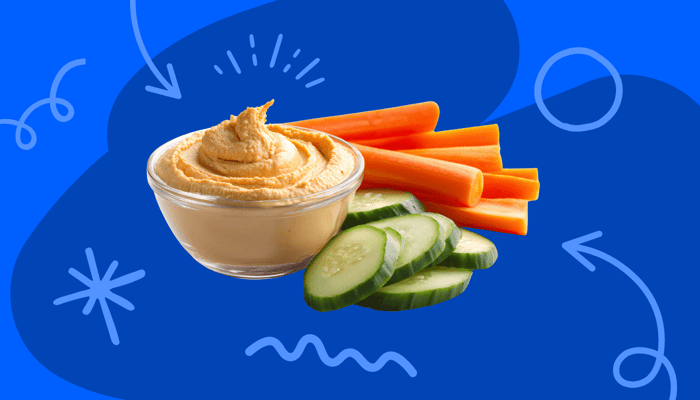
Non-Starchy Vegetables: Vegetables like carrots, bell peppers, cucumbers, and celery have a low impact on your blood sugar levels. You can add a couple of tablespoons of hummus, a Greek yogurt dressing, or a small portion of guacamole on the side.
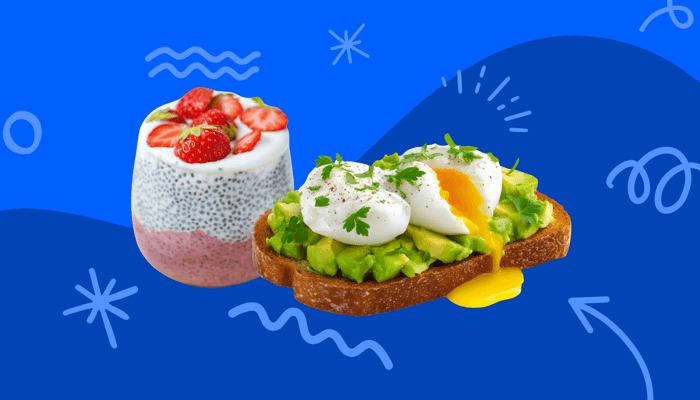
Nuts and Seeds: A handful of almonds, walnuts, or pistachios provides healthy fats, protein, and fiber. If you don’t like nuts (or can’t have them), try adding seeds like chia seeds, flaxseeds, or sunflower seeds.
Protein-Rich Options: Plain Greek, hard-boiled eggs, and low-fat cheese are excellent bases for diabetes-friendly snacks.
Whole Grain Choices: When you crave something crunchy, always choose whole-grain options. A few whole-grain crackers with cheese, or a slice of whole-grain toast with avocado, can be a great option.
Snacks to Avoid (or Limit)
There are certain foods that can sabotage your blood sugar levels, even if you have them in small amounts. Here are some foods you should try to stay away from.
High GI-Processed Foods: White bread, regular crackers, pretzels, and most commercial baked goods cause rapid blood sugar spikes. These refined carbs are quickly broken down into glucose, resulting in a rapid increase in blood sugar levels.
Sugary Beverages and Treats: Sodas, fruit juices (even natural ones), candy, and sweetened snack bars have concentrated sugars that also enter your bloodstream almost immediately.
Dried Fruits and Fruit Products: While fresh fruit can be a great snack, dried fruits have concentrated natural sugars. For example, a handful of raisins contains significantly more sugar than fresh grapes, making it easy to eat more carbs without noticing.
Tips for Smart Snacking
Having a successful management of your diabetes through snacking requires more than just knowing which foods you should choose. These practical strategies will help you implement smart snacking habits consistently.
Plan and Prepare
Try to prepare your snacks in advance by portioning out nuts, washing and cutting your vegetables (and fruits), or assembling balanced combinations in ready-to-go containers. Having snacks that are ready prevents impulsive food choices when your hunger strikes.
Read Food Labels
The nutrition label provides very important information for helping you manage your diabetes. Always check the serving size first, since all the other numbers are going to be based on this information.
Focus on the total amount of carbohydrates rather than just sugars, and make sure that you look for added sugars specifically. Also, check for fiber. High-fiber foods (containing more than 20% of the daily recommended value) can help stabilize blood sugar levels.
Time Your Snacks
Eating snacks at consistent times (especially if you take medication) can help maintain steady blood sugar levels throughout the day. Most people with diabetes benefit from a mid-morning snack, an afternoon snack, and possibly a small evening snack (if you go to bed late).
Bottom Line
Snacking can help you have more stable energy and blood sugar levels. Always choose low-GI foods, balance your macronutrients, and practice portion control. Remember that it’s all a matter of preparation and consistency.
Start by identifying three snacks you enjoy, and then gradually start adding more to your list. Remember to monitor your blood sugar levels either using a Continuous Glucose Monitoring (CGM) or a glucose meter, especially when adding a new snack to your diet.
TRUE METRIX AIR BlueTooth Blood Glucose Meter

$ 38.18
$ 46.34
TRUE METRIX AIR BlueTooth Blood Glucose Meter No more logbooks, store all of your data on your mobile device! TRUE METRIX AIR glucometer is a technology with reach. With integrated wireless capability, this Bluetooth-enabled glucose meter seamlessly delivers results to… read more
Always make sure you work with your healthcare team or registered dietitian to create a personalized plan that fits your lifestyle, medication schedule, and needs.
Sources
Reynolds, A. and Mitri, J. (2024). Nutritional Recommendations for Individuals with Diabetes. [online] Nih.gov. Available at: https://www.ncbi.nlm.nih.gov/books/NBK279012/.
Roxana Paola Gómez-Ruiz, Abraham Isaí Cabello-Hernández, Francisco Javier Gómez-Pérez and Miguel Ángel Gómez-Sámano (2024). Meal frequency strategies for the management of type 2 diabetes subjects: A systematic review. PLOS ONE, [online] 19(2), pp.e0298531–e0298531. doi:https://doi.org/10.1371/journal.pone.0298531.
BASTURK, B., KOC OZERSON, Z. and YUKSEL, A. (2021). Evaluation of the Effect of Macronutrients Combination on Blood Sugar Levels in Healthy Individuals. Iranian Journal of Public Health, [online] 50(2). doi:https://doi.org/10.18502/ijph.v50i2.5340.
FAQs
Can I eat fresh fruit if I have diabetes?
Yes, you can eat fresh fruit if you have diabetes. However, try to choose lower-GI options like berries, apples, pears, and citrus fruits. Additionally, pair them with a protein and healthy fat to have more stable sugar levels.
Are sugar-free snacks always better if you have diabetes?
This is not always the case. Sugar-free doesn’t mean that it won’t have carbs. Additionally, some artificial sweeteners might still affect your blood sugar levels (the research is still ongoing). Try to focus on minimally processed foods rather than relying on sugar-free products.
How long should I wait between snacks and meals?
It’s best to wait 3-4 hours between meals to avoid affecting your regular eating schedule. This spacing also gives your body time to process the food and prevent any blood sugar spikes.